
Overview of the Italian Education System
Italy offers a diverse range of educational pathways for international students, governed primarily by the Ministry of University and Research (MUR). The system is aligned with the European Higher Education Area (EHEA) standards, utilizing the European Credit Transfer and Accumulation System (ECTS), known in Italy as Crediti Formativi Universitari (CFU).
Prospective students must distinguish between "Right to Study" (Diritto allo Studio) and immigration requirements. While the academic options are open to most, the administrative procedures for entry and residency depend heavily on the applicant's nationality (EU vs. non-EU).
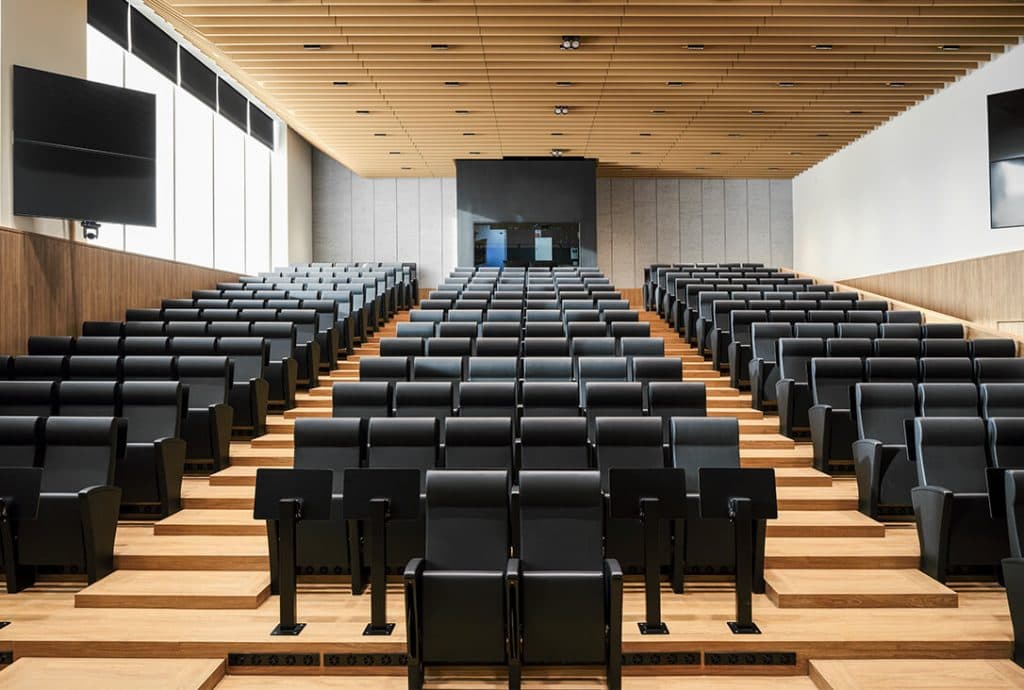
University Education: The Three-Cycle System
The Italian university system is structured into three main cycles, following the Bologna Process. This structure ensures that Italian degrees are recognized internationally.
First Cycle: Laurea Triennale (Bachelor’s Degree)
The Laurea is the undergraduate degree, providing a solid foundation in general scientific methods and content. It typically lasts three years and requires 180 CFU for completion. Entry usually requires a secondary school diploma or an equivalent foreign qualification (minimum 12 years of total schooling).
Second Cycle: Laurea Magistrale (Master’s Degree)
The Laurea Magistrale provides advanced education for high-level qualifications in specific fields. It lasts two years and requires 120 CFU. Admission is contingent upon holding a relevant Bachelor's degree.
There is also the Laurea Magistrale a Ciclo Unico (Single-Cycle Master's Degree), which integrates both cycles. These programs last five to six years (300–360 CFU) and are common in fields such as Medicine, Architecture, Law, and Pharmacy.
Third Cycle: Dottorato di Ricerca (PhD)
This is the highest level of academic education, focusing on advanced research. It lasts a minimum of three years. Admission is highly competitive and usually involves a public examination and a specific research proposal.
AFAM: Higher Education in Art, Music, and Dance
For students pursuing creative disciplines, Italy offers the AFAM system (Alta Formazione Artistica, Musicale e Coreutica). These institutions are equivalent to universities but focus on the arts.
- Accademie di Belle Arti: Fine Arts academies.
- Conservatori di Musica: Music conservatories.
- ISIA: Higher Institutes for Applied Arts (Design).
- Accademia Nazionale di Danza & Accademia Nazionale d’Arte Drammatica: National academies for dance and drama.
The qualification structure (Diplomi Accademici di Primo/Secondo Livello) mirrors the university cycles (180 and 120 CFU respectively).
Vocational Training and ITS Academy
For those seeking practical, labor-market-oriented education, the Istituti Tecnici Superiori (ITS) offer high-level technical training. These courses are often developed in collaboration with companies.
- Duration: Usually 2 years (4 semesters).
- Focus: Industry 4.0, sustainable mobility, tourism, and cultural heritage.
- Qualification: Diploma di Tecnico Superiore (EQF level 5).
Language Courses and Short Programs
International students may move to Italy specifically to learn the Italian language. These courses are offered by both public universities and private schools.
- Universities for Foreigners: Specialized public institutions in Perugia and Siena dedicated to Italian language and culture.
- Private Language Schools: Must be recognized by the Ministry of Education for visa purposes.
- Foundation Years: Preparatory programs for students who lack the 12 years of schooling required for university entry or need to improve their language proficiency.

Administrative Requirements and Enrollment
The enrollment process differs significantly based on the student's legal status:
Non-EU Residents Abroad: Must apply through the Universitaly portal to undergo the pre-enrollment procedure and obtain a Study Visa (Type D).
Tuition Fees and Costs
Tuition fees in Italy vary depending on the institution (public vs. private) and the student's family income (ISEE).
- Public Universities: Fees generally range from 900 EUR ($945 USD, Jan 2026) to 4,000 EUR ($4,200 USD, Jan 2026) per academic year.
- Private Institutions: Fees can range from 6,000 EUR ($6,300 USD, Jan 2026) to over 20,000 EUR ($21,000 USD, Jan 2026) per year.
- Regional Scholarships (DSU): Most students are eligible to apply for regional grants which may include a total fee waiver and a maintenance stipend. The availability depends on individual situation and financial records.
Summary Table of Study Options
Below is a summary of the most common study paths for foreigners:
- Degree Programs (Bachelor/Master): 3–5 years; requires high school diploma/degree; qualifies for a long-stay visa.
- Vocational (ITS): 2 years; focus on technical skills; includes internships.
- Italian Language: Variable duration; requires enrollment in a certified school for visa eligibility.
- Research/PhD: 3+ years; often includes a scholarship (borsa di studio).
Practical Steps for Foreigners
- Verification: Check if your diploma requires a Dichiarazione di Valore (Declaration of Value) or a Statement of Comparability from CIMEA.
- Language Proficiency: Most Italian-taught courses require a B2 level (CILS, CELI). English-taught courses require TOEFL/IELTS.
- Pre-enrollment: Complete the profile on the Universitaly portal for the 2025/2026 academic year.
- Visa/Permit: Non-EU students must apply for a Permesso di Soggiorno (Residence Permit) within 8 days of arrival in Italy.
Exceptions and Special Cases
Exchange Programs: Students coming via Erasmus+ or bilateral university agreements follow a simplified enrollment process and do not typically pay tuition to the host Italian university.
Part-time Work: Foreign students with a valid residence permit for study are permitted to work a maximum of 20 hours per week. Whether this can be converted to a work permit depends on individual situation and current immigration quotas (Decreto Flussi).
Note: Information regarding specific course availability and exact deadline dates for 2025/2026 is published annually by the Ministry of University and Research.