


Introduction
For foreign nationals moving to Italy in 2026, understanding the financial landscape is the first step toward a successful relocation. Italy offers a high quality of life, but costs vary drastically depending on geography and lifestyle. While the general cost of living remains lower than in the United States or Northern Europe, specific expenses—such as energy bills and rent in major metropolitan areas—can be surprisingly high.
This guide provides a neutral, data-driven overview of expenses as of early 2026. All figures are estimates based on current market averages. For the purpose of this article, prices in Euros (€) are converted to US Dollars ($) at an approximate rate of 1 EUR = 1.17 USD (January 2026).
The North-South Divide
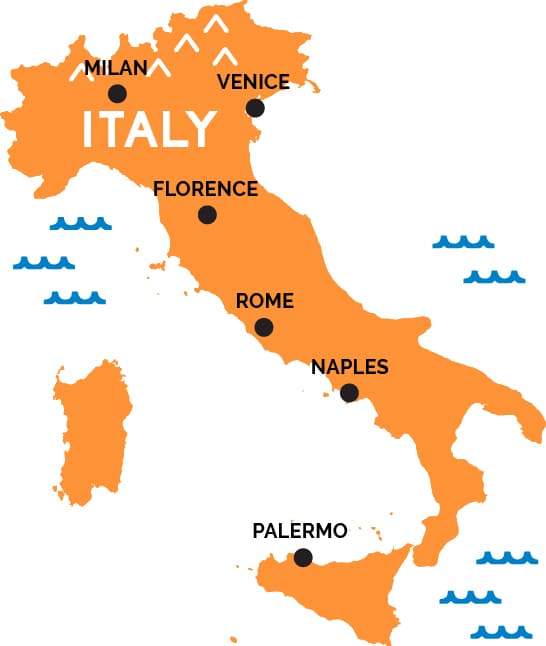
Italy’s economic geography is sharply divided. The industrial North (Milan, Bologna, Turin) features higher salaries but significantly higher living costs. The South (Naples, Palermo, Bari) offers much cheaper housing and dining, though local salaries are generally lower and infrastructure may be less robust.
- Most Expensive: Milan, Bolzano, Rome, Florence.
- Moderate: Turin, Verona, Genoa.
- Least Expensive: Naples, Palermo, rural villages in Abruzzo or Calabria.
Housing and Accommodation
Housing is typically the largest monthly expense. In 2026, the rental market in major cities is competitive, while rural areas face a surplus of empty properties.
Rental Market Averages (Monthly)
Prices below refer to furnished, long-term rentals (standard "4+4" contracts). Short-term or "transitory" contracts often carry a premium.
- Milan (City Center): 1-bedroom apartment: €1,500 ($1,755); 3-bedroom family apartment: €2,800+ ($3,275+).
- Rome (City Center): 1-bedroom apartment: €1,200 ($1,404); 3-bedroom family apartment: €2,100 ($2,457).
- Naples/South: 1-bedroom apartment: €750 ($878); 3-bedroom family apartment: €1,200 ($1,404).
- Small Towns/Rural: 1-bedroom apartment: €400–€600 ($468–$702).
Utilities and Bills
Utility costs in Italy are among the highest in Europe. Most rentals exclude utilities, meaning tenants pay based on consumption.
- Electricity & Gas: For an 85m² apartment, expect to pay €150–€300 ($175–$350) per month combined. Winter heating bills (gas) can spike significantly in the North.
- Water: Generally inexpensive, averaging €20–€40 ($23–$47) per month.
- Internet: High-speed fiber connections are widely available and affordable, typically costing €25–€35 ($29–$41) per month.
- Condominium Fees (Spese Condominiali): These cover building maintenance, elevators, and cleaning. They range from €50 ($58) to over €200 ($234) per month depending on the building's services (e.g., concierge).
- Waste Tax (TARI): A mandatory local tax paid by the occupant (tenant), not the landlord. It averages €150–€350 ($175–$410) per year, calculated based on apartment size and number of residents.
Healthcare System Access
Italy’s National Health Service (Servizio Sanitario Nazionale or SSN) provides universal coverage, but the cost of access depends on your visa status.
Mandatory vs. Voluntary Registration
- Employees & Self-Employed (Permesso di Soggiorno for Work): Registration is "free" (covered by income taxes). You pay only small co-pays (ticket) for tests and medications.
- Voluntary Registration (Elective Residency/Retirees): As of 2024/2025 rules, non-working foreign residents must pay a flat annual fee to opt into the public system. The standard fee is €2,000 ($2,340) per person per calendar year.
- Students: Foreign students pay a reduced flat rate, approximately €700 ($819) per year.
- Au Pairs: The reduced rate is approximately €1,200 ($1,404) per year.
Note: Private health insurance is an alternative often required for visa applications, with costs ranging from €500 to €1,500+ ($585–$1,755) annually depending on coverage and age.
Food and Daily Living
Food prices have risen due to inflation, but high-quality local produce remains accessible. Eating out is a significant part of the culture.
Groceries
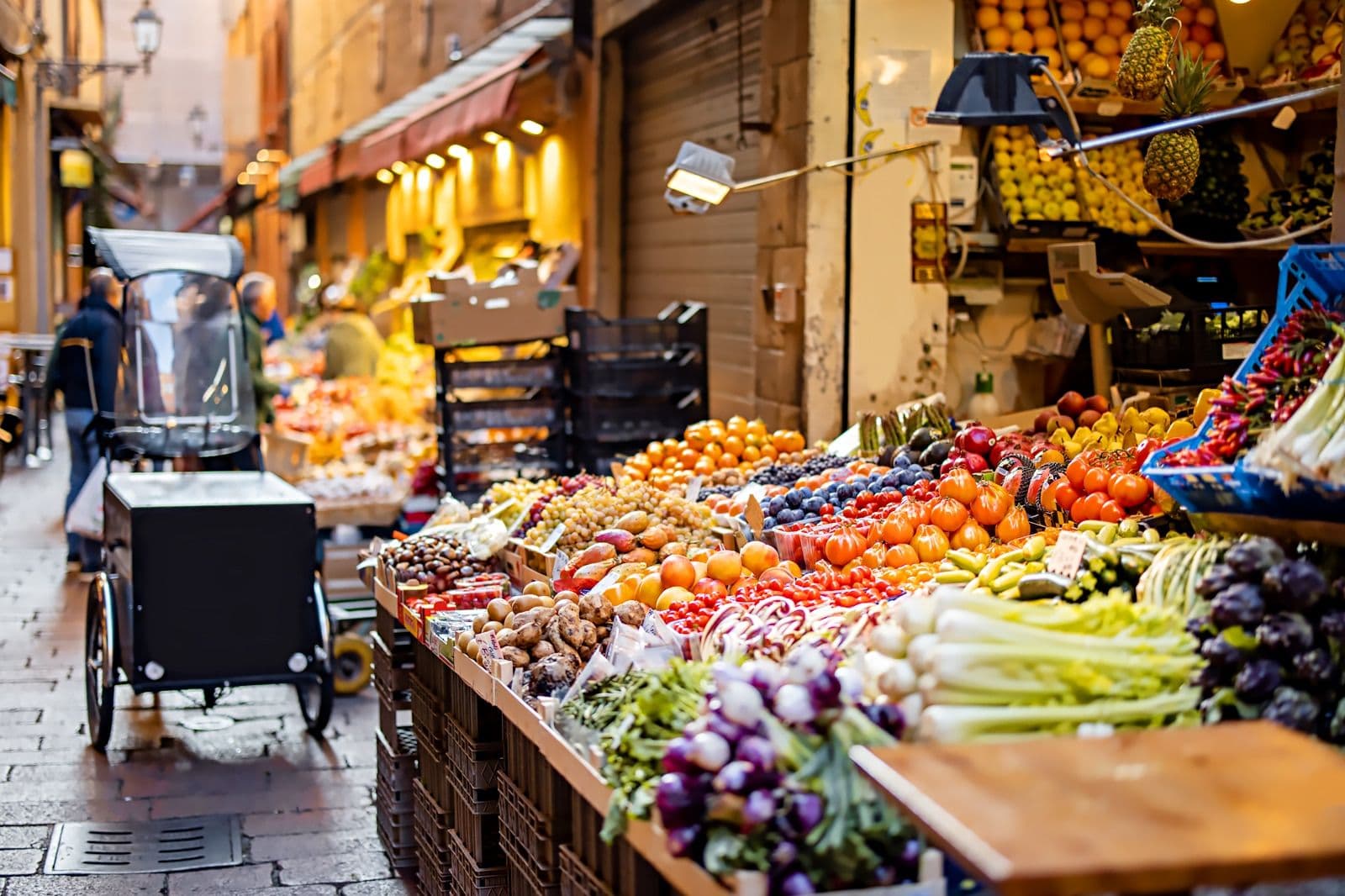
A monthly grocery budget for a family of four typically falls between €550 and €700 ($643–$819). Shopping at local markets (mercati rionali) and discount supermarkets (like Eurospin or Lidl) can reduce costs compared to premium chains (like Esselunga or Carrefour).
- Milk (1 Liter): €1.40 ($1.64)
- Bread (500g loaf): €1.80 ($2.10)
- Local Cheese (1kg): €12–€16 ($14–$19)
- Bottle of Wine (Mid-range): €6–€8 ($7–$9)
Dining and Leisure
- Espresso at the bar: €1.10–€1.50 ($1.30–$1.75).
- Pizza & Beer (Pizzeria): €15–€20 ($17–$23) per person.
- Three-course dinner (Mid-range restaurant): €60–€80 ($70–$94) for two people.
- Cinema Ticket: €9–€12 ($10–$14).
- Gym Membership: €40–€70 ($47–$82) per month.
Transportation
Public transport is generally reliable in the North and major cities, but a car is often essential in the South and rural areas.
Public Transit
- Monthly City Pass (Bus/Metro): Prices vary by city. Milan is approx. €39 ($46), Rome €35 ($41).
- Single Ticket (90-100 mins): €1.50–€2.20 ($1.75–$2.57).
- High-Speed Train (Milan to Rome): €40–€100+ ($47–$117) one way, depending on how far in advance it is booked.
Car Ownership
- Gasoline (Petrol): Approx. €1.80/liter ($2.10/liter) or $7.95/gallon.
- Highway Tolls (Autostrada): Expensive. Driving Milan to Rome costs approx. €45 ($53) in tolls alone.
- Car Insurance (RCA): Varies by region and driver history. Southern regions (e.g., Campania) have significantly higher premiums, often €1,000+ ($1,170+) annually, compared to €400–€600 ($468–$702) in the North.
Quick Comparison: Milan vs. Naples
The following table illustrates the cost difference between Italy's most expensive major city (Milan) and a major southern city (Naples).
| Expense Category | Milan (North) | Naples (South) |
|---|---|---|
| 1-Bed Apartment Rent | €1,500 ($1,755) | €750 ($878) |
| Monthly Utilities (85m²) | €250 ($292) | €180 ($210) |
| Public Transport Pass | €39 ($46) | €35 ($41) |
| Meal for 2 (Mid-range) | €80 ($94) | €50 ($58) |
| Coffee (Espresso) | €1.30 ($1.52) | €1.10 ($1.29) |
Summary Checklist for Expats
When budgeting for your move to Italy in 2026, ensure you account for these often-overlooked costs:
- Initial Deposit: Landlords typically require 2–3 months of rent as a security deposit plus the first month upfront.
- Agency Fees: If using a real estate agent, the standard fee is 10% of the annual rent or one month's rent + VAT (22%).
- Visa Costs: Residence permit (Permesso di Soggiorno) applications and renewals cost approx. €100–€150 ($117–$175) in administrative fees.
- Healthcare Opt-in: If you are not working, budget €2,000 ($2,340) per person annually for SSN voluntary registration.