
Cultural Context: The Art of "Bella Figura"
Moving to Italy involves more than just securing a visa and finding an apartment. To truly integrate, you must navigate a complex web of unwritten social rules. At the heart of Italian public life is the concept of la bella figura. Literally translating to "the beautiful figure," it is not just about dressing well; it is about maintaining a sense of dignity, propriety, and social grace in all interactions.
For a foreigner (straniero), understanding this concept is crucial. It explains why you shouldn't wear flip-flops in the city center, why arguments in public are frowned upon, and why wrapping a gift poorly is considered a faux pas. In 2026, while Italy is modernizing rapidly, these traditional values remain the bedrock of daily life.
Social Etiquette & Greetings
First impressions in Italy are lasting. The way you greet a neighbor or a shopkeeper can determine the quality of service and help you receive.
Greetings and Formality
The distinction between the formal "Lei" and the informal "Tu" is vital. Always address strangers, elders, and superiors with the formal Lei until invited to do otherwise.
- Buongiorno: Use this greeting in the morning and until about 4:00 PM. It is polite to say this when entering a small shop, elevator, or waiting room.
- Buonasera: Switch to this greeting in the late afternoon. It is better to use it too early than too late.
- Ciao: Reserved strictly for friends, family, and children. Using it with a police officer or a government official is considered disrespectful.
- The Kiss: The double cheek kiss (left cheek first) is for friends and family. In a business or formal setting, a firm handshake is the standard.
Gift Giving Taboos
If you are invited to an Italian home for dinner, never arrive empty-handed. A tray of pastries (pasticcini) from a local bakery or a bottle of wine is standard. However, be aware of these strict cultural taboos:
- Flowers: Never give an even number of flowers; this is considered bad luck. Avoid chrysanthemums entirely, as they are exclusively used for funerals and gravesites.
- Wrapping: Presentation is as important as the gift itself. Have the shop wrap the item professionally.
- Wine: If bringing wine, ensure it is of good quality. If you are unsure, ask a wine merchant (enoteca) for a recommendation rather than grabbing a cheap bottle from the supermarket.
Dining Rules & Coffee Culture
Food is a serious subject in Italy, governed by rules that maximize digestion and flavor. Breaking these rules won't get you arrested, but it will mark you immediately as a tourist.
Coffee Commandments
- No Cappuccino After 11:00 AM: Milk-based coffees are considered breakfast items. Ordering a cappuccino after a meal is seen as a digestive disaster. After a meal, order an espresso (simply called "un caffè").
- Counter vs. Table: Prices often differ depending on where you consume your drink. An espresso at the bar (al banco) might cost 1.20 EUR ($1.40 USD, Jan 2026), while the same drink at a table (al tavolo) could cost 3.50 EUR ($4.10 USD, Jan 2026) or more.
Restaurant Protocol
Dinner service typically starts late, rarely before 7:30 PM, with 8:30 PM being the prime time.
- Coperto: Most restaurants add a cover charge (coperto) of 2–3 EUR ($2.35–$3.50 USD, Jan 2026) per person. This covers the table setting and bread. It is legal and standard.
- Tipping: Tipping is not mandatory in Italy as it is in the US. Service is usually included. However, leaving a small amount (rounding up the bill or leaving 1-2 EUR coins) is appreciated for good service.
- Water: Tap water is rarely served in restaurants. You will be asked "naturale" (still) or "frizzante" (sparkling) and charged for the bottle.
- The Bill: The waiter will rarely bring the bill (il conto) until you ask for it. They consider it rude to rush you. You must signal and ask, "Il conto, per favore."
Navigating Bureaucracy & Public Offices
Dealing with the Questura (police headquarters), Comune (town hall), or Poste Italiane (post office) is a rite of passage for every resident. The system is notoriously slow and formal.
The Post Office (Poste Italiane)
The post office is a hub for paying bills, banking, and mail. It is often chaotic.
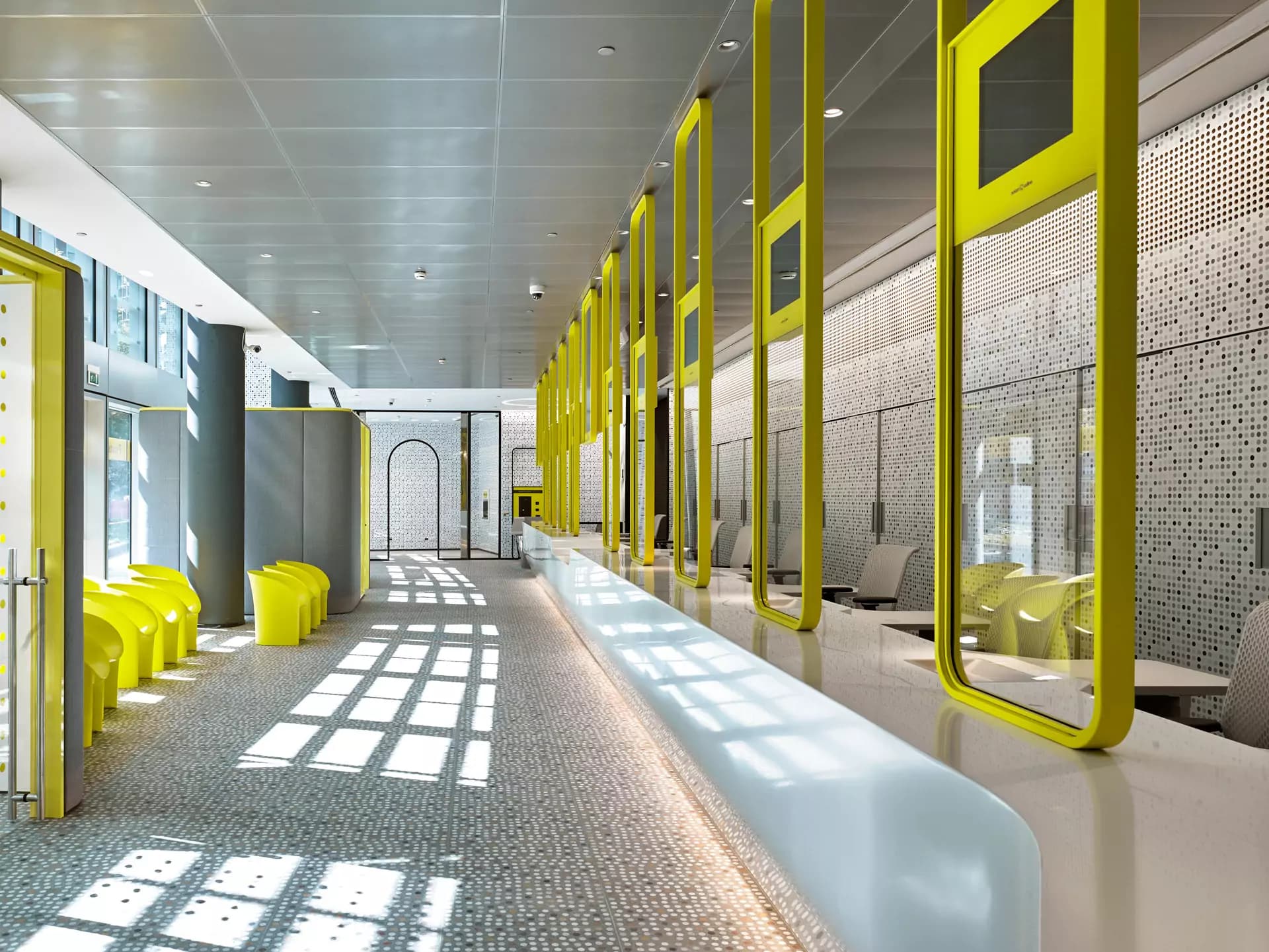
- The Ticket Machine: Do not just walk to the counter. Look for a yellow ticket machine near the entrance. You must select the correct category (e.g., "Spedizioni" for mail, "Bollettini" for bill payments).
- Payment Methods: While cards are widely accepted, cash is still king for small transactions. Always carry backup cash.
Interacting with Officials
When dealing with immigration or administrative officers, your demeanor can influence the outcome.
- Dress Appropriately: Do not wear beachwear, shorts, or flip-flops to the Questura or Comune. Smart casual attire shows respect for the institution.
- Patience is Key: Getting angry or raising your voice is counterproductive and may cause the official to shut down. Remain calm, polite, and persistent.
- Language: Even if you speak little Italian, start the conversation with a standard Italian greeting and an apology for your language skills ("Mi scusi, non parlo bene l'italiano"). This effort is often rewarded with more helpful service.
Noise and Apartment Living
Italians value their rest. Most apartment buildings (condomini) have strict rules regarding noise, often referred to as "silent hours" (orari di silenzio).
- Afternoon Rest: Silence is often required between 1:00 PM and 4:00 PM. Avoid vacuuming, hammering, or loud music during this time.
- Nighttime: Quiet hours typically begin at 10:00 PM or 11:00 PM and last until 7:00 AM or 8:00 AM.
- Sunday: Sundays are generally treated as rest days; noisy renovation work is strictly prohibited in most residential blocks.
Dress Codes for Public Spaces
While you can dress as you please in the street, specific venues have non-negotiable rules.
- Churches: Religious sites enforce a strict dress code. Shoulders and knees must be covered for both men and women. Guards at major sites like St. Peter's Basilica or the Duomo in Florence will deny entry to anyone in tank tops or short shorts. Carry a scarf in your bag to drape over your shoulders if needed.
- Weddings and Ceremonies: If invited to a wedding, avoid wearing white (reserved for the bride) or total black (associated with mourning), though the latter rule is softening in evening fashion.
Quick Summary Checklist
- Currency: Euro (EUR). Approx. exchange: 1 EUR = $1.17 USD (Jan 2026).
- Tipping: Not mandatory; round up for good service.
- Coffee: No cappuccino with meals or after 11:00 AM.
- Greetings: "Buongiorno" until 4 PM, "Buonasera" after. Handshakes for strangers, kisses for friends.
- Quiet Hours: Respect silence between 1 PM–4 PM and after 10 PM.