

Establishing essential services is one of the primary administrative tasks for any foreign national moving into a new home in Italy. The Italian utility market is largely liberalized, meaning residents can choose between various private suppliers for electricity and gas. However, the process of activating or transferring these services follows specific legal procedures and requires a foundational set of documents, most notably the Codice Fiscale (Tax Code).
Key Administrative Concepts: Voltura vs. Subentro
When moving into a property, the first step is to determine the current status of the meters. In Italy, there are two distinct procedures for taking over utility contracts:
- Voltura (Transfer): This is used when the previous tenant has not deactivated the service. The meters are still running, and you are simply changing the name on the existing contract. This is the fastest method, as there is no interruption of service.
- Subentro (Reactivation): This is used when the previous occupant has already cancelled their contract and the meters are physically shut off. You must sign a new contract to have the service reactivated. This typically takes 5 to 7 working days.
Electricity and Gas Setup
Most major energy companies in Italy (such as Enel, Eni Plenitude, and Edison) offer dual-fuel plans that combine electricity and gas into a single bill. Italy uses a standard supply voltage of 230V and 50Hz. Plug types are typically Type C, F, or L.
The 3kW Power Cap
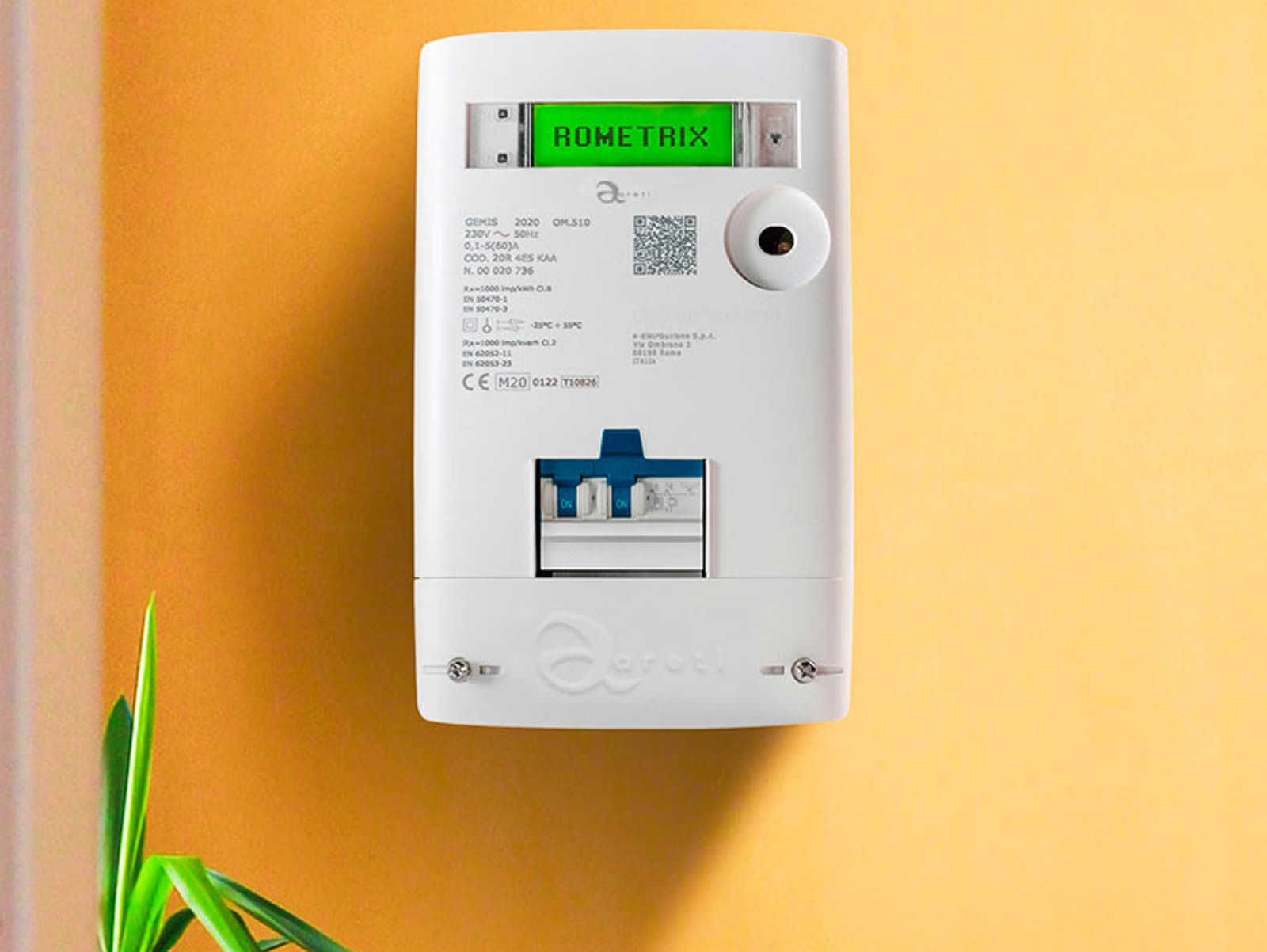
A unique feature of the Italian residential electricity market is the standard power limit of 3 kW. If you run multiple heavy appliances simultaneously (e.g., an oven, washing machine, and air conditioner), the main circuit breaker may trip. For larger homes or high-consumption lifestyles, residents can request an upgrade to 4.5 kW or 6 kW from their provider for an additional fixed monthly fee.
Required Documentation
To stipulate a contract, you will need to provide:
- A valid ID card or Passport.
- Your Codice Fiscale.
- A registered rental agreement or property deed (proof of legal possession).
- The POD code (for electricity) and PDR code (for gas), which are unique alphanumeric identifiers found on the meters or previous bills.
- An IBAN for direct debit (domiciliazione bancaria), which often grants a small discount.
Water Supply Registration
Unlike electricity and gas, the water supply in Italy is usually managed by a single regional or municipal monopoly (e.g., ACEA in Rome, MM in Milan). Residents do not have a choice of supplier. In many apartment buildings (condomini), water costs are included in the building fees rather than billed individually. If the unit has an individual meter, you must contact the local municipal water company to perform a voltura.
Internet and Fiber Connectivity
Italy has seen significant infrastructure upgrades under the "Strategy for Ultra Broadband 2023-2026," significantly expanding FTTH (Fiber to the Home) coverage. Major providers include TIM, Fastweb, WindTre, and Vodafone, along with newer fiber-only players like Iliad and Virgin Fibra.
Setting up internet usually takes between 1 and 2 weeks. An engineer visit is often required to install the optical socket or activate the line. Most contracts have a minimum duration of 24 months, and early termination may incur administrative fees.
Average Monthly Costs (2026)
Utility prices in Italy can be volatile. As of January 13, 2026, the following table provides estimated monthly expenses for a standard two-bedroom apartment (approx. 80 sqm).
| Utility Service | Average Monthly Cost (EUR) | Approx. USD (Jan 13, 2026) |
|---|---|---|
| Electricity | €70 – €110 | $75.60 – $118.80 |
| Gas (Cooking & Hot Water) | €30 – €50 | $32.40 – $54.00 |
| Water | €20 – €35 | $21.60 – $37.80 |
| Fiber Internet | €25 – €35 | $27.00 – $37.80 |
*Currency conversion: 1 EUR = 1.08 USD. Note that gas costs for heating in winter can exceed €150 ($162 USD) per month depending on the efficiency of the home.
Limitations and Practical Considerations
- Resident vs. Non-Resident Rates: Electricity tariffs differ based on your residency status. "Resident" contracts have lower fixed fees. You must provide a certificate of residence (residenza) to the supplier to benefit from these rates.
- Canone RAI (TV Tax): A mandatory public television tax of approximately €70–€90 per year is automatically added to the electricity bills of primary residences, usually split over several installments.
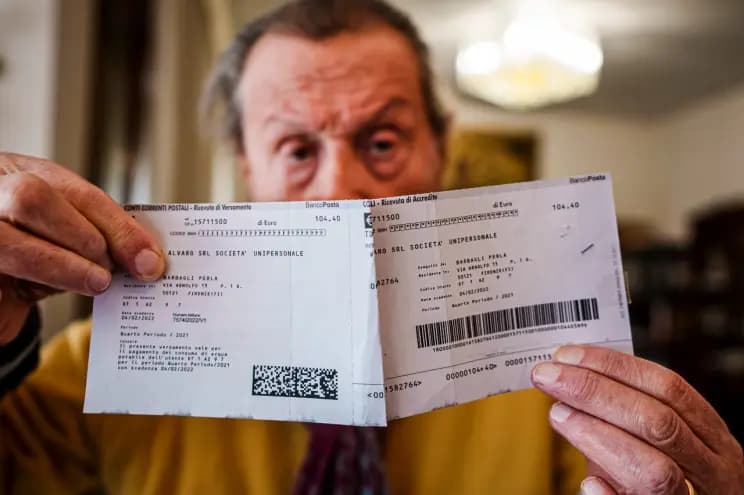
- Bill Payment: Bills (bollette) are typically sent every two months. While they can be paid at any Post Office (Poste Italiane) or tobacco shop (Tabaccheria), direct debit is highly recommended to avoid late fees.