
Rome, the capital of Italy, is a city that balances millennia of history with the chaotic energy of a modern European metropolis. For foreigners, moving to Rome offers a unique lifestyle defined by its vibrant social culture, unparalleled historical access, and specific administrative challenges. This guide covers the practicalities of housing, transportation, and bureaucracy for those planning to reside in the Eternal City.
Districts and Housing Market
Rome is divided into several Municipi (administrative subdivisions) and distinct neighborhoods (Rioni or Quartieri). The rental market is competitive, particularly within the historic center. Leases are typically long-term (e.g., "4+4" years), though temporary contracts (transitorio) for 1–18 months are available for students and workers.
Key Neighborhoods for Expats
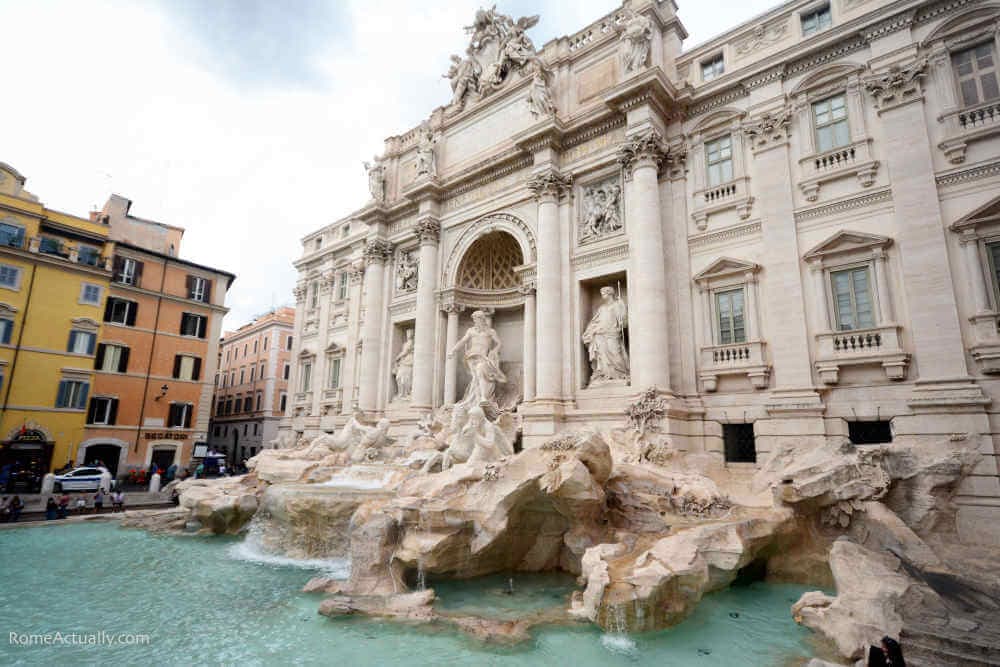
- Centro Storico (Historic Center) Includes areas like Navona and Campo de' Fiori. Extremely walkable and beautiful, but plagued by noise, tourists, and the highest rents. Ideal for short-term stays.
- Prati Located near the Vatican. An upscale, organized district with wide streets and Art Nouveau architecture. It is popular with diplomats and professionals but comes with a high price tag.
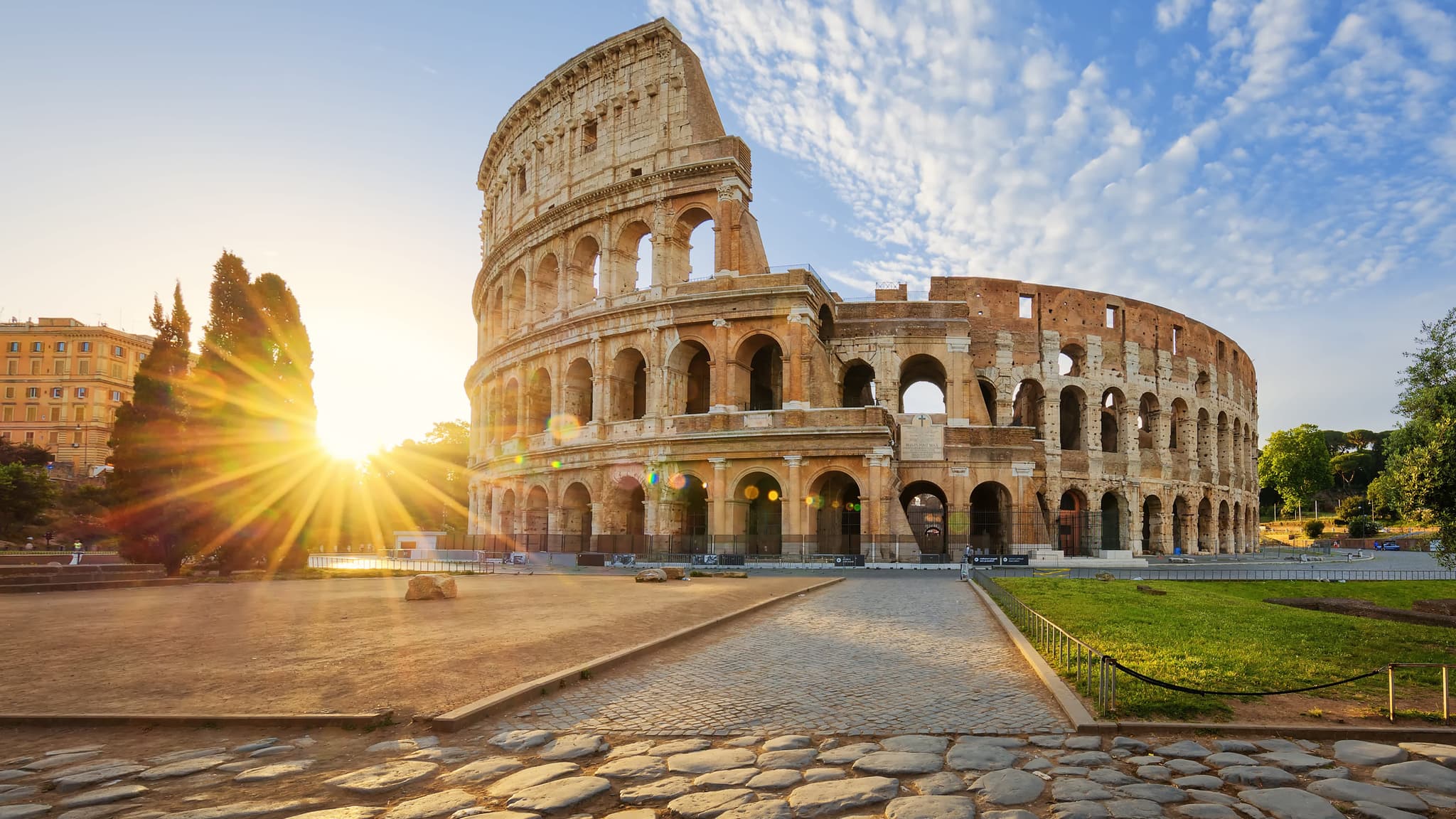
- Monti A trendy, bohemian area near the Colosseum. It retains a village-like atmosphere with cobblestone streets, artisan shops, and a younger demographic.
- Testaccio & Ostiense: Formerly industrial areas now known for food markets and nightlife. They offer a more authentic "Roman" feel and slightly lower rents than the center.
- EUR (Esposizione Universale Roma): A business district in the south with modern architecture and green spaces. It is well-connected by Metro B and popular with families and corporate employees.
Rental Costs (2026 Estimates)
Rental prices vary significantly by proximity to the center and metro lines. Note that advertised prices often exclude condominium fees (spese condominiali) and utilities.
| Apartment Type | Average Monthly Rent (EUR) | Approx. USD (Jan 2026) |
|---|---|---|
| Studio (Monolocale) | €750 – €1,200 | ~$810 – $1,300 USD |
| 1-Bedroom (Bilocale) | €1,050 – €1,700 | ~$1,135 – $1,840 USD |
| 2-Bedroom (Trilocale) | €1,400 – €2,400 | ~$1,510 – $2,590 USD |
| Utilities (monthly avg) | €150 – €200 | ~$160 – $215 USD |
Public Transport (ATAC)
Rome's public transport network is managed by ATAC and includes buses, trams, three metro lines (A, B, and C), and urban trains. While extensive, the surface network (buses/trams) can be unreliable due to traffic.
Metro Lines
- Metro A (Orange): Connects the Vatican (Ottaviano) to Termini Station and the southeast. It is the most used line by tourists.
- Metro B (Blue): Connects the northeast (Rebibbia) to the south (EUR/Laurentina), passing through Colosseum and Tiburtina.
- Metro C (Green): A driverless line serving the eastern suburbs, currently terminating at San Giovanni (connection with Metro A).
Tickets and Passes (2026 Prices)
Tickets must be purchased in advance from tobacconists (Tabacchi), metro stations, or via the Tap & Go contactless payment system on board. The basic single ticket is valid for 100 minutes from validation, allowing unlimited bus transfers but only one metro entry.
| Ticket Type | Price (EUR) | Approx. USD | Validity |
|---|---|---|---|
| BIT (Integrated Ticket) | €1.50 | ~$1.62 USD | 100 minutes. |
| Roma 24H | €8.50 | ~$9.18 USD | 24 hours from first stamp. |
| Roma 72H | €22.00 | ~$23.75 USD | 72 hours from first stamp. |
| CIS (Weekly Pass) | €29.00 | ~$31.30 USD | 7 days. |
| Monthly Personal Pass | €35.00 | ~$37.80 USD | Calendar month (unlimited). |
Administrative Procedures
Bureaucracy in Rome is notorious for being slow and requiring in-person visits. Foreigners must navigate two main institutions: the Questura (Police Headquarters) for immigration and the Anagrafe (Registry Office) for residency.
Immigration Office (Ufficio Immigrazione)
Non-EU citizens applying for or renewing their Permit of Stay (Permesso di Soggiorno) typically deal with the main immigration office on the outskirts of the city.
- Location: Via Teofilo Patini, 23, 00155 Rome.
- Access: Take Metro B to Rebibbia, then a bus or taxi.
- Procedure: Most applications start at a Post Office (Kit Giallo), which assigns an appointment date at the Questura for fingerprinting. Wait times for appointments can span several months.
Residency Registration (Iscrizione Anagrafica)
Once you have a long-term lease, you must register your residence at the local Municipio to obtain an Italian ID card (Carta d'Identità). This is mandatory for opening a resident bank account and accessing the national health service (SSN).
- Requirement: Valid lease registered with the Agency of Revenue (Agenzia delle Entrate).
- Process: Many Municipios (e.g., Municipio I or XIII) now allow or require applications to be submitted via certified email (PEC) or standard email, reducing the need for queueing.
Driving and ZTL Zones
Driving in Rome is generally discouraged for foreigners due to chaotic traffic and parking scarcity. The historic center is protected by ZTL (Zona a Traffico Limitato), or Limited Traffic Zones.
- Restrictions: Active mainly during the day (6:30 AM – 6:00 PM) on weekdays and sometimes at night (Friday/Saturday) in nightlife areas like Trastevere and San Lorenzo.
- Enforcement: Cameras automatically fine unauthorized vehicles entering active zones. Fines typically start around €80 ($86 USD) plus administrative costs.
- Parking: Blue lines indicate paid parking (pay at meter or via apps like EasyPark). White lines are free (rare). Yellow lines are reserved for residents or disabled permits.