
Transport in Italy: Public Transport and Driving
Italy possesses a comprehensive transportation network that varies significantly between urban centers and rural provinces. In major metropolitan areas like Rome, Milan, and Naples, public transport is the primary method of movement, whereas a private vehicle is often necessary for those living in smaller towns or the countryside. For foreigners, navigating the local regulations regarding driving licenses and restricted traffic zones is essential to avoid administrative penalties.
Public Transport Overview
The public transport system in Italy is integrated, meaning a single ticket typically covers buses, trams, and metro lines within a specific time window. Most cities use a time-based validation system where tickets must be stamped upon boarding.
Metro and Urban Transit
Metropolitan railway systems (Metro) are available in Rome, Milan, Naples, Turin, Genoa, Brescia, and Catania. Milan has the most extensive network, while Rome is known for its three-line system (A, B, and C). In 2026, many cities have fully transitioned to "Tap & Go" systems, allowing payment via contactless credit cards or smartphones directly at turnstiles.
- Rome (ATAC): A single 100-minute ticket costs €1.50 (~$1.64 USD as of Jan 13, 2026). A monthly pass for the territory of Rome costs €35.00 (~$38.15 USD).
- Milan (ATM): An urban ticket (zones Mi1-Mi3) is priced at €2.20 (~$2.40 USD). The standard monthly pass is €39.00 (~$42.51 USD).
Regional and High-Speed Trains
Italy’s rail network is managed primarily by Trenitalia (the national operator) and Italo (a private high-speed competitor). Trains are categorized as follows:
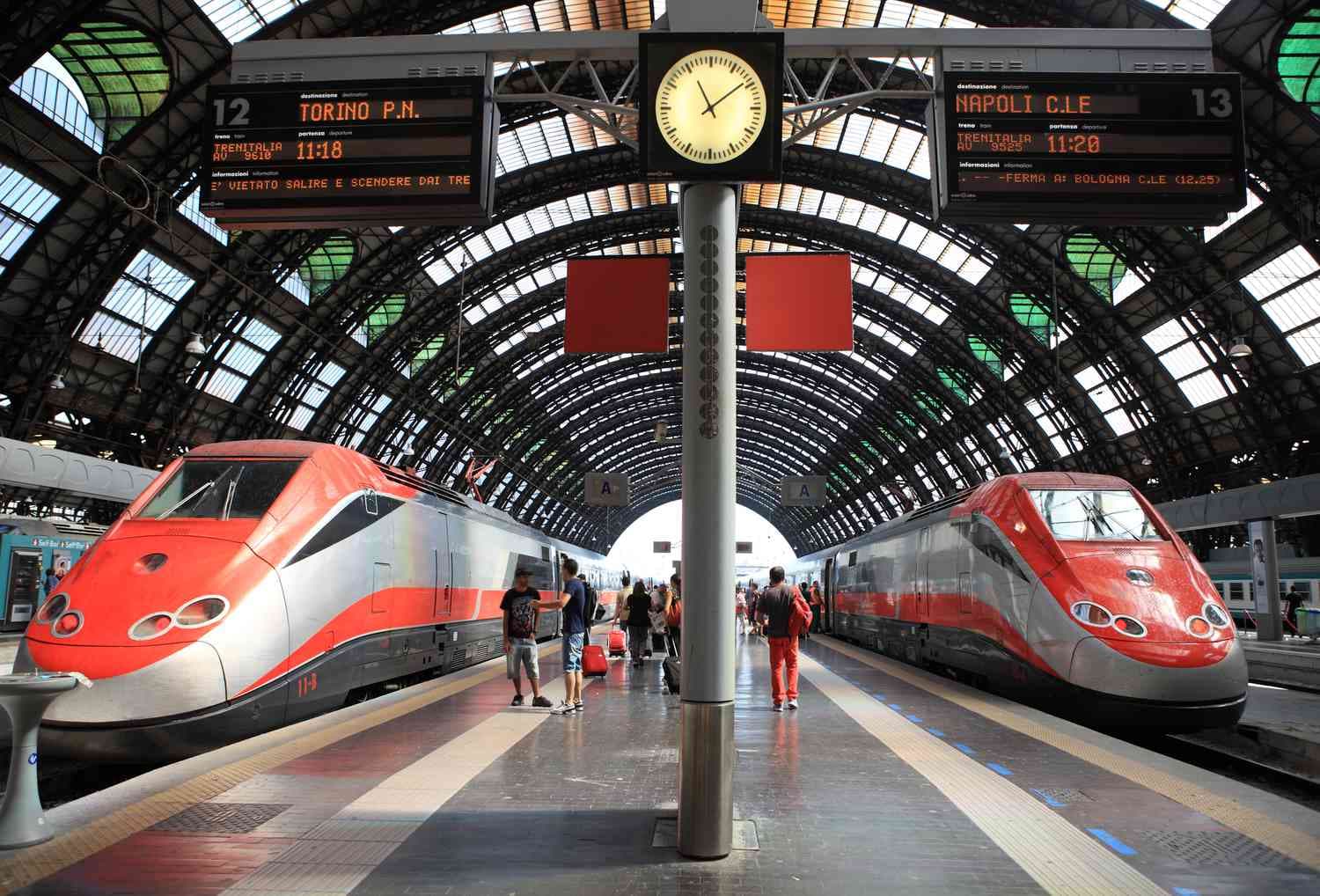
- Alta Velocità (High-Speed): Frecciarossa and Italo trains connect major cities like Turin, Milan, Bologna, Florence, Rome, and Naples at speeds up to 300 km/h. Tickets must be booked in advance and include a specific seat reservation.
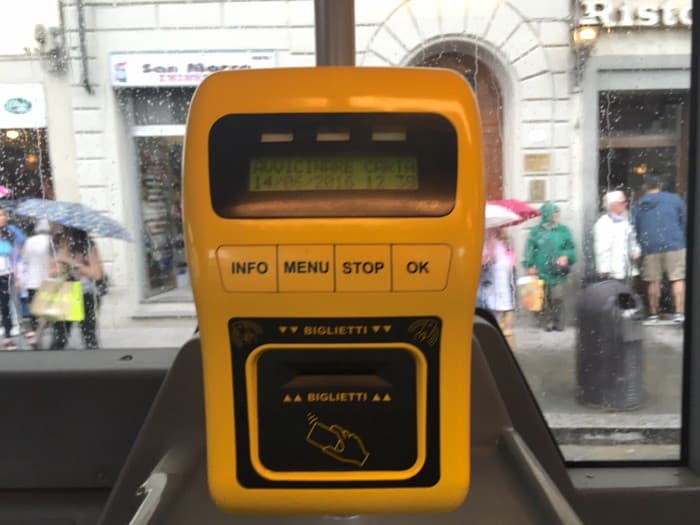
- Regionale (Regional): Slower trains connecting smaller towns. Tickets are cheaper but do not include seat reservations. Important: Physical regional tickets must be validated at the green or yellow machines on the platform before boarding; digital tickets are checked via a QR code.
Driving in Italy
Driving in Italy provides flexibility but is subject to strict enforcement of speed limits and environmental regulations. Residents from EU/EEA countries can drive using their national licenses, while those from non-EU countries face specific restrictions.
Driving Licence Rules
The regulations for foreign driving licenses depend on your country of origin and your residency status in Italy.
- Tourists/Temporary Visitors: Non-EU citizens (e.g., from the USA, UK, or Australia) must carry their original license accompanied by an International Driving Permit (IDP) or a certified sworn translation of the original license.
- Long-term Residents: If you become a legal resident of Italy, you can use your foreign license for up to one year. After this period, you must either convert your license (if a bilateral agreement exists) or obtain an Italian license by passing both theoretical and practical exams.
- Conversion: Italy has agreements with countries like the UK, Albania, Japan, and Switzerland that allow for license exchange without a new exam. For those from countries without an agreement (such as the USA), a full Italian driving test is required, which typically costs between €600 and €900 (~$654 – $981 USD) in driving school fees.
ZTL and Traffic Zones
The Zona a Traffico Limitato (ZTL) is a common feature in almost all Italian city centers. These are restricted zones where only residents or authorized vehicles (taxis, buses) are allowed to drive during specific hours.
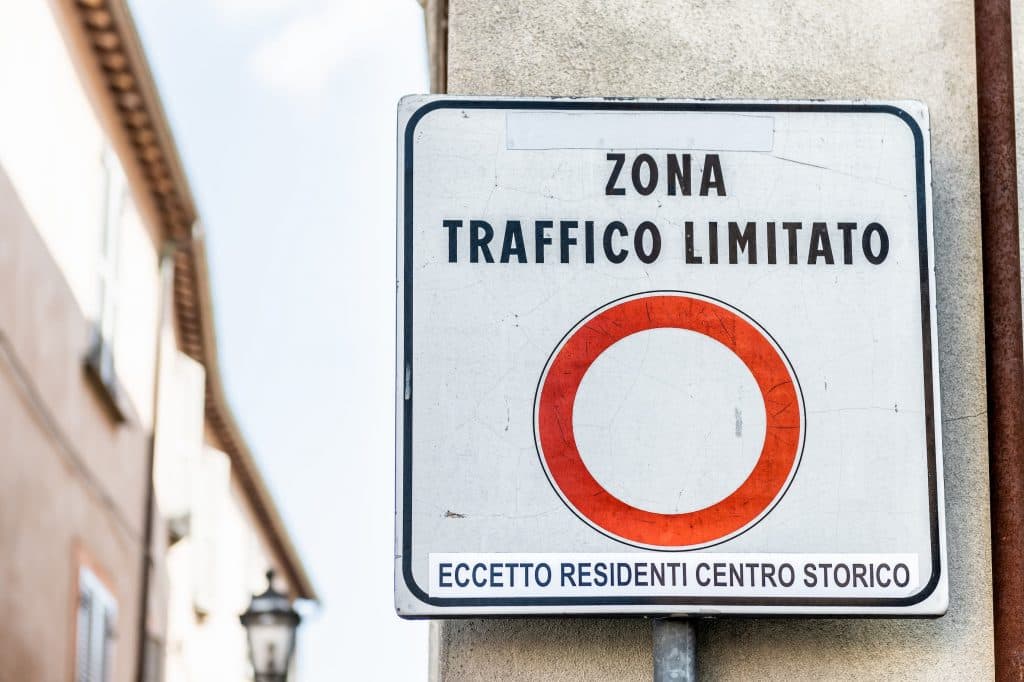
Entrance points are monitored by automated cameras that scan license plates. If a non-authorized vehicle enters an active ZTL, the owner will receive an automatic fine, typically ranging from €80 to €300 (~$87 – $327 USD). Most ZTLs are indicated by a white sign with a red circle and an electronic board stating "Varco Attivo" (Active—do not enter) or "Varco Non Attivo" (Not active—entry allowed).
Road Rules and Safety
The standard rules of the road in Italy are strictly enforced, particularly regarding safety equipment and blood alcohol levels.
- Speed Limits: 50 km/h in built-up areas; 90 km/h on secondary roads; 110 km/h on main highways (superstrade); 130 km/h on motorways (autostrade).
- Mandatory Equipment: Every vehicle must carry a reflective safety vest and a warning triangle.
- Alcohol Limit: The legal limit is 0.5 g/l. For drivers under 21 or those who have held their license for less than three years, the limit is 0.0 g/l.
- Parking: Blue lines indicate paid parking (pay at a meter or via app); white lines are free; yellow lines are reserved for residents, disabled permit holders, or specific services.
Costs of Transport
As of January 2026, fuel and highway tolls have seen moderate increases aligned with inflation adjustments.
| Item | Price (EUR) | Approx. USD (Jan 13, 2026) |
|---|---|---|
| Gasoline (Petrol) per Liter | €1.88 | ~$2.05 USD |
| Diesel per Liter | €1.79 | ~$1.95 USD |
| Highway Toll (A1 Milan-Rome) | €45.10 | ~$49.16 USD |
| Taxi (FCO Airport to Rome Center) | €50.00 (Fixed) | ~$54.50 USD |