
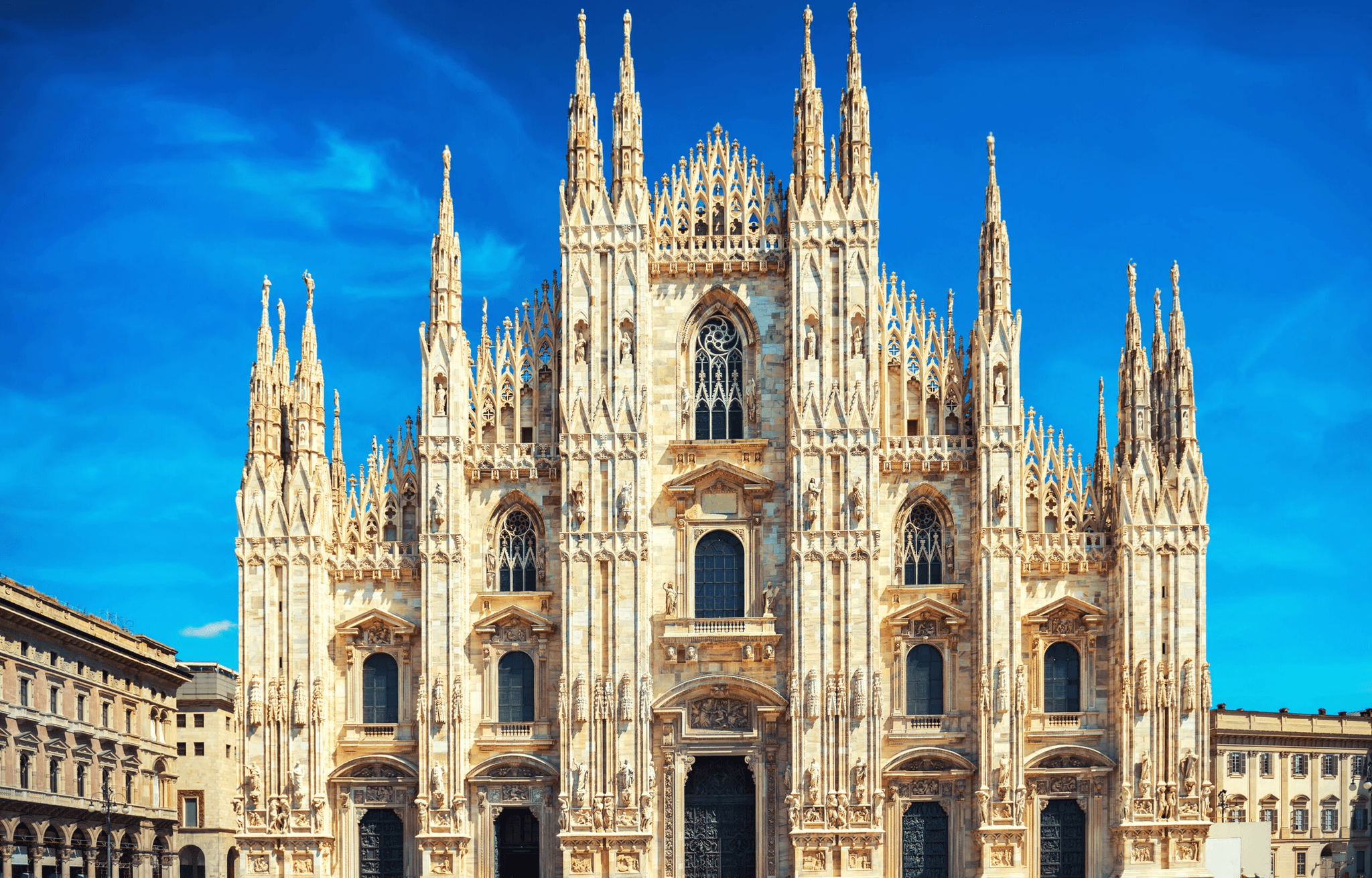
Milan (Milano) is widely recognized as Italy's economic, fashion, and design capital. Unlike the tourist-centric atmosphere of Rome or Florence, Milan is a fast-paced, industrious metropolis that serves as the country's financial engine. For foreign nationals, it offers the most robust job market in Italy but also commands the highest cost of living in the nation.
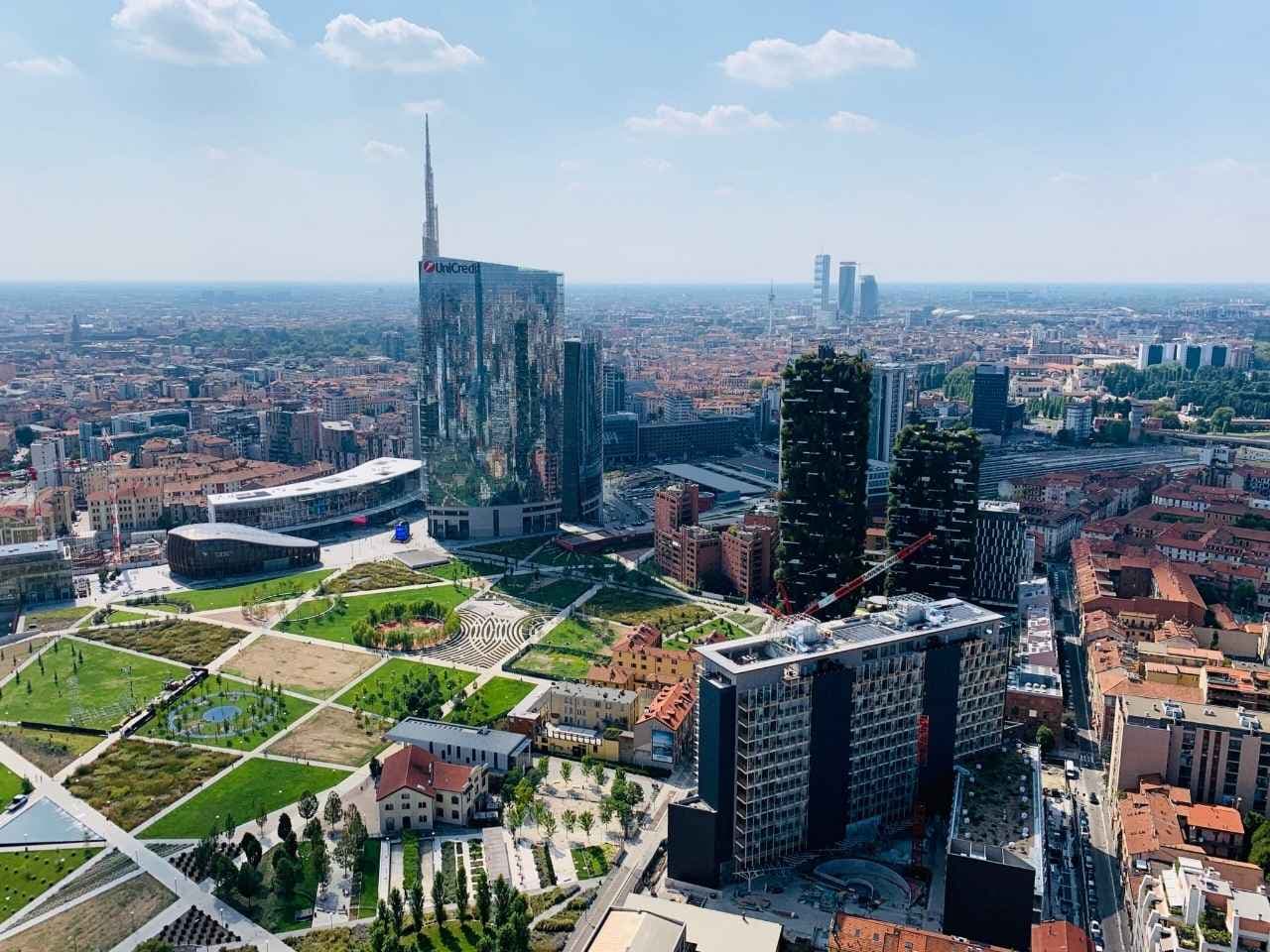
Districts and Housing Market
Milan is divided into nine administrative zones (Municipi), radiating outwards from the historic center (Zone 1). The rental market is highly competitive, with prices largely determined by proximity to metro stations and universities.
Key Neighborhoods for Expats
- Centro Storico & Brera (Zone 1): The heart of the city. Known for luxury shopping, the Duomo, and art galleries. It is the most expensive area, characterized by prestigious historic buildings but limited parking.
- Porta Nuova & Isola: A contrast of futuristic skyscrapers (Porta Nuova) and a former working-class district turned hipster hub (Isola). Popular with corporate expats and young professionals for its modern amenities and nightlife.
- Navigli & Porta Genova: Famous for its canals and vibrant nightlife. It attracts students and creatives but can be noisy in the evenings.
- Porta Romana: An elegant, residential district south of the center, currently undergoing significant development for the 2026 Winter Olympics. It offers a balance of tranquility and good connections (Metro M3).
- Città Studi & NoLo: Located in the northeast. Città Studi is a student hub near the Politecnico, offering more affordable rents. NoLo (North of Loreto) is a rapidly gentrifying, multicultural area popular with young creatives.
Rental Costs (January 2026 Estimates)
Rents in Milan are the highest in Italy. Prices often exclude "condominium fees" (spese condominiali), which cover heating, water, and building maintenance. These fees can add €150–€300 ($162–$324 USD) to the monthly cost.
| Apartment Type | Average Monthly Rent (EUR) | Approx. USD (Jan 2026) |
|---|---|---|
| Studio (Monolocale) | €950 – €1,200 | ~$1,025 – $1,300 USD |
| 1-Bedroom (Bilocale) | €1,300 – €1,700 | ~$1,400 – $1,835 USD |
| 2-Bedroom (Trilocale) | €1,900 – €2,500 | ~$2,050 – $2,700 USD |
Currency conversion rate used: 1 EUR ≈ 1.08 USD.
Public Transport (ATM)
Milan boasts the most efficient public transport system in Italy, managed by ATM (Azienda Trasporti Milanesi). The network consists of five metro lines, an extensive tram network, and buses. It is fully integrated with contactless payment systems.
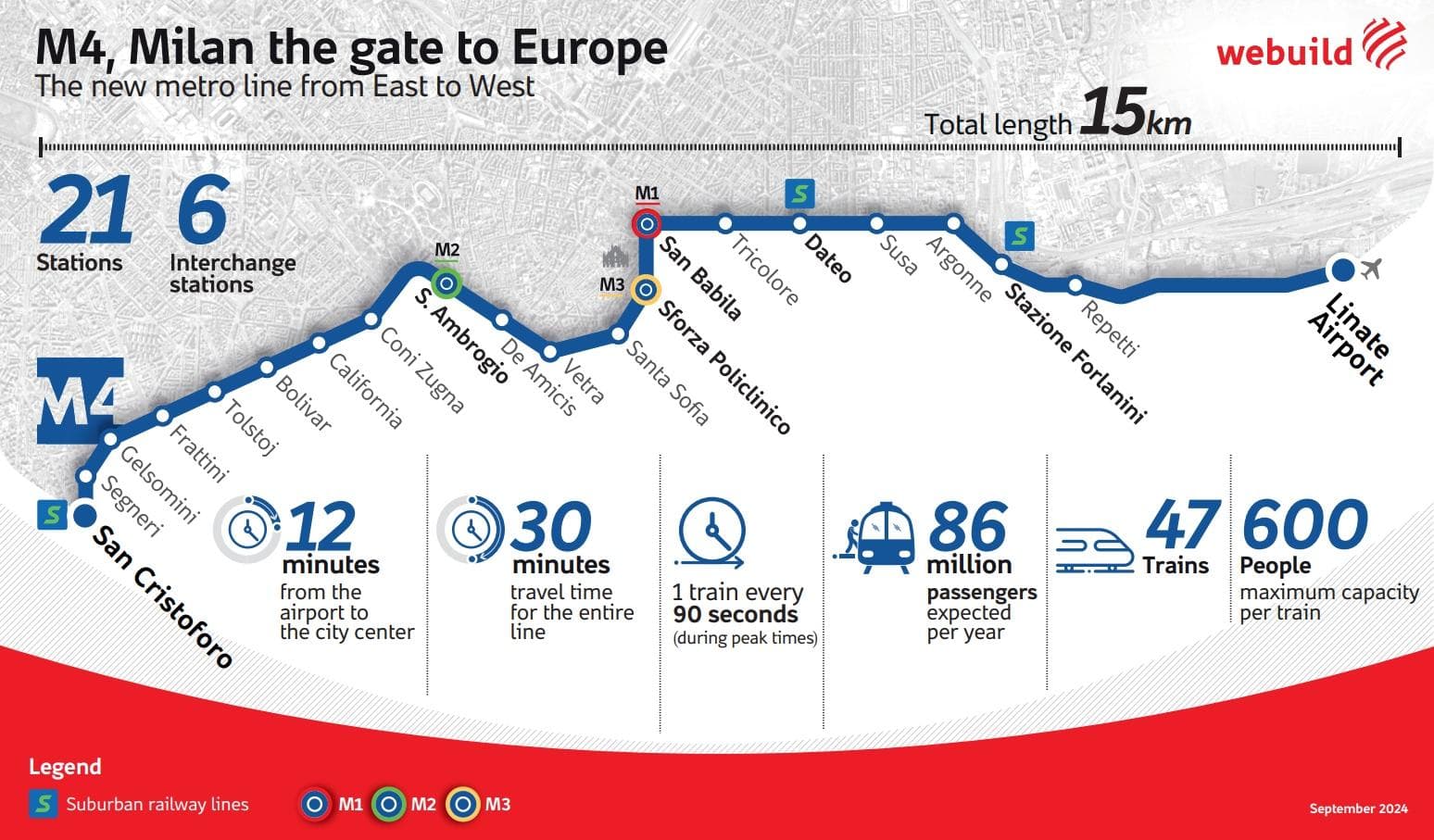
[Image placeholder: Map of the Milan Metro system highlighting the new M4 Blue line connecting Linate Airport to the city center]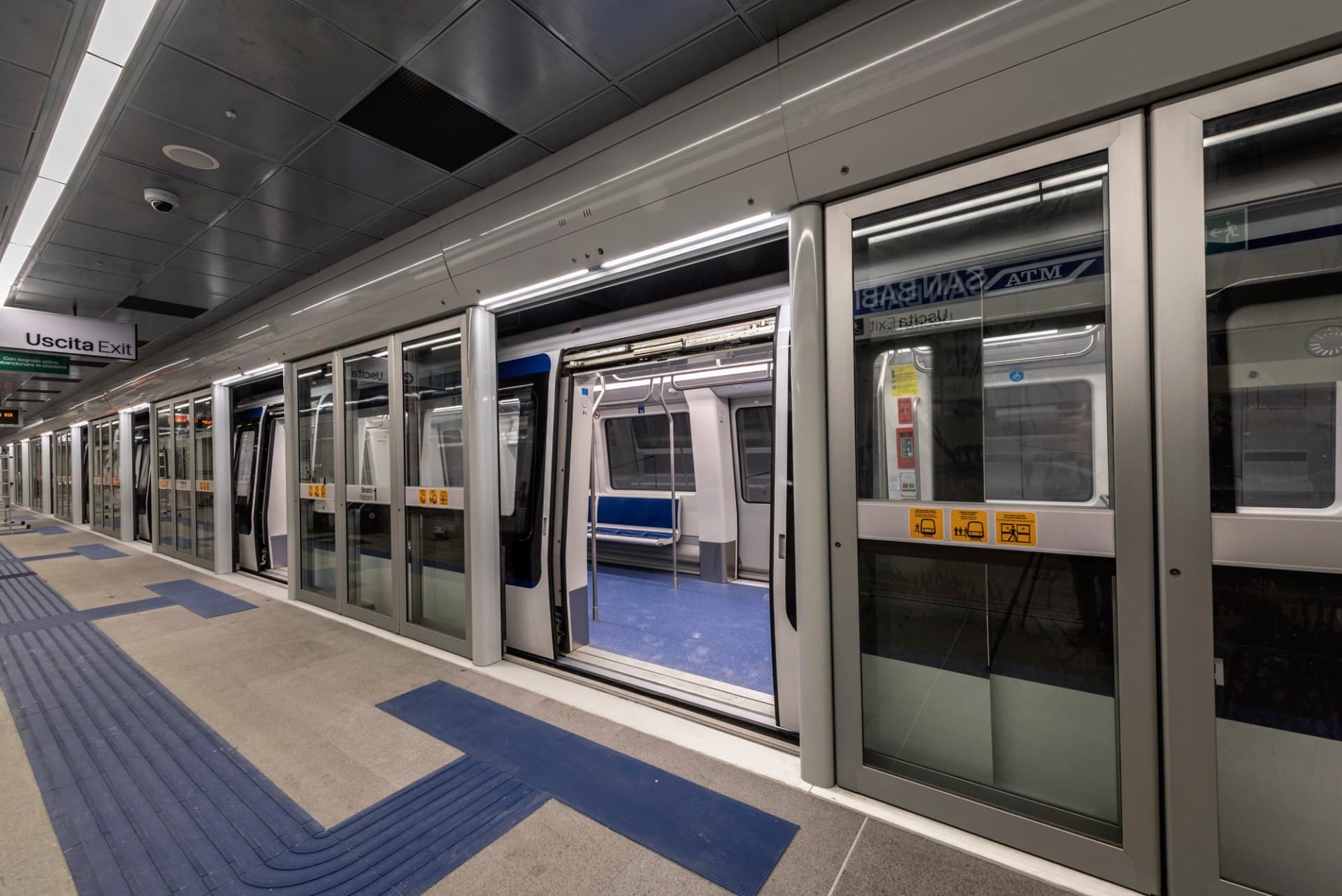
Metro Lines
- M1 (Red): Crosses the city East-West (Rho Fiera/Bisceglie – Sesto San Giovanni).
- M2 (Green): Connects major railway stations (Central, Garibaldi, Lambrate, Cadorna).
- M3 (Yellow): North-South route (Comasina – San Donato).
- M4 (Blue): The newest line, fully connecting Linate Airport to the city center (San Babila) and the western districts in under 15 minutes.
- M5 (Lilac): Driverless line serving the San Siro stadium and northern districts.
Tickets and Passes (2026 Fares)
Passengers can pay directly at the turnstiles using a contactless bank card (Mastercard/Visa/Amex). The system automatically calculates the best fare.
| Ticket Type | Price (EUR) | Approx. USD | Validity |
|---|---|---|---|
| Standard Ticket (Mi1-Mi3) | €2.20 | ~$2.38 USD | 90 minutes (multiple modes allowed). |
| Daily Pass (24h) | €7.60 | ~$8.20 USD | 24 hours from first validation. |
| 3-Day Pass | €15.50 | ~$16.75 USD | 72 hours from first validation. |
| Monthly Pass (Urban) | €39.00 | ~$42.10 USD | Calendar month (unlimited). |
Note: The monthly pass requires an electronic "Tessera ATM" card, which has an issuance fee of €10.
Environment and Traffic Restrictions
Milan enforces strict environmental zones to combat pollution. Foreign vehicles must comply with these regulations to avoid automatic fines.
Area C (Historic Center)
A congestion charge zone corresponding to the ZTL Cerchia dei Bastioni (historic center).
Rules: Entry costs €7.50 ($8.10 USD) per day on weekdays (Mon-Fri, 7:30–19:30). Electric vehicles enter for free. Payment can be made online or via SMS.
Area B (City Limits)
A Low Emission Zone covering almost the entire municipal territory of Milan. It prohibits the entry of older, polluting vehicles (e.g., Euro 2 petrol, Euro 5 diesel) generally from Monday to Friday, 7:30–19:30. There is no entry fee, but non-compliant vehicles are banned entirely. Foreign vehicles should register on the Area B portal to verify compliance.
Administrative Procedures
Foreigners must navigate specific offices for immigration and residency. In Milan, these services are heavily digitized but still experience significant delays.
Immigration (Permesso di Soggiorno)
Non-EU citizens apply for their residence permit via the "Kit Giallo" at Post Offices. The subsequent appointment for fingerprinting takes place at the Questura di Milano.
- Main Immigration Office: Via Montebello, 26.
- Note: Appointments can take 4–8 months to be scheduled. The postal receipt (ricevuta) serves as temporary proof of legal stay.
Residency Registration (Anagrafe)
Registering your official address (Residenza) is mandatory for long-term stays. In Milan, this can be done entirely online via the Fascicolo del Cittadino portal using email or PEC (Certified Email), without visiting the office physically.
- Physical Office: Via Larga, 12 (Central Anagrafe) or local Municipio offices.
- Required: Valid passport, Codice Fiscale, and a registered rental contract.