
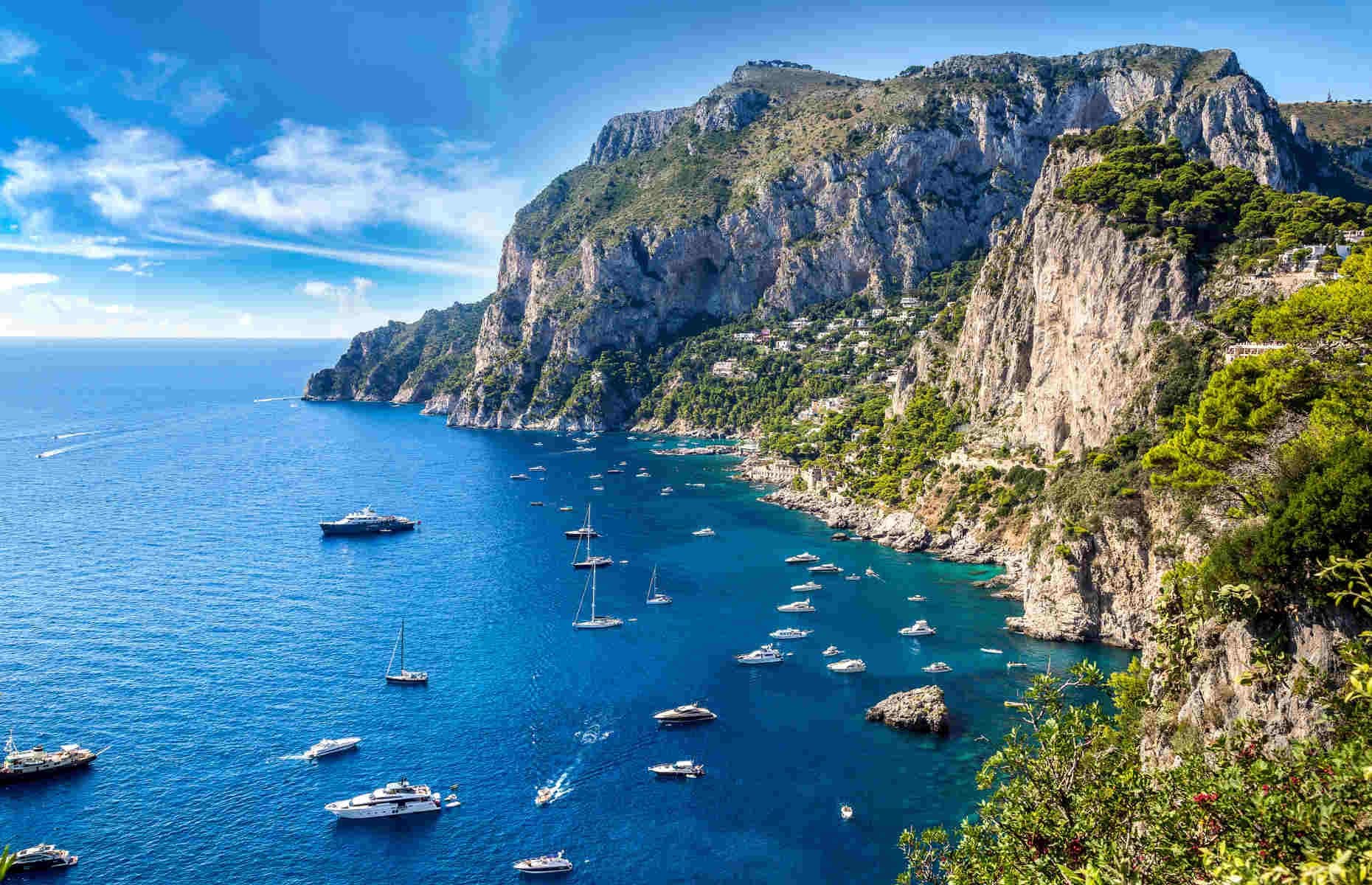
Naples (Napoli), the capital of the Campania region, offers a living experience distinct from any other Italian city. It is characterized by its intense energy, deep historical layers, and significantly lower cost of living compared to Rome or Milan. For foreigners, Naples presents a unique set of opportunities and challenges, from navigating its vibrant but chaotic streets to understanding its specific administrative procedures.
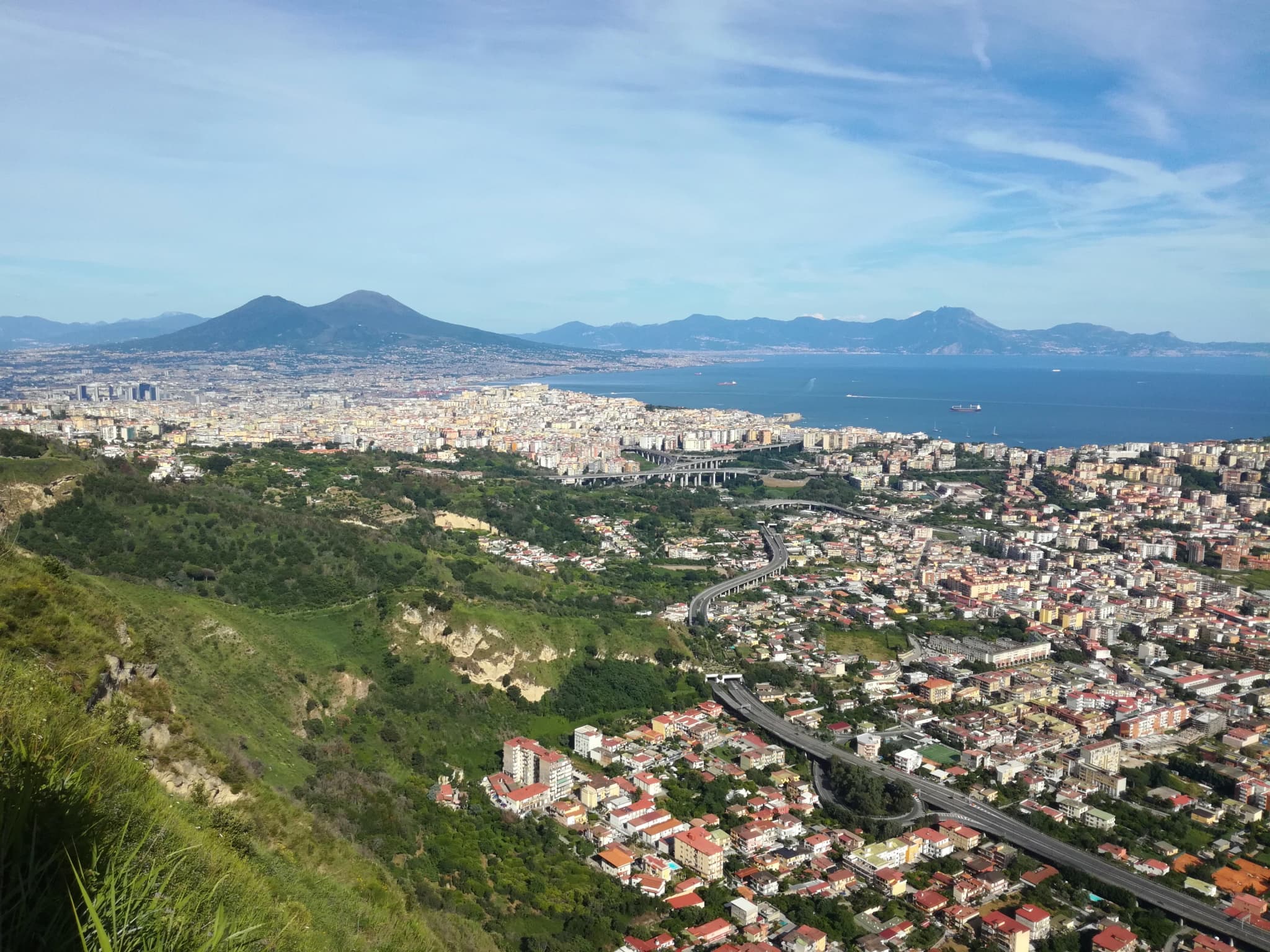
Districts and Housing Market
Naples is a city of distinct neighborhoods, each offering a radically different lifestyle. The city's topography—stretching from the sea up to high hills—means that your choice of district dictates not just your rent, but your mode of transport (funicular vs. metro) and daily atmosphere.
Key Neighborhoods for Expats
- Vomero & Arenella: Located on the hills overlooking the city. These are middle-to-upper-class residential districts known for safety, pedestrian shopping streets, and cleaner air. They are connected to the center by funiculars and Metro Line 1.
- Chiaia: The most exclusive and expensive district, situated along the seafront (Lungomare). It is the hub for luxury shopping, high-end dining, and nightlife. Popular with diplomats and professionals.
- Centro Storico (Historic Center): The ancient heart of Naples (UNESCO World Heritage). It is vibrant, chaotic, and authentic, filled with students and tourists. Rents can be lower, but noise levels are high and parking is non-existent.
- Posillipo: A prestigious, leafy area on the western cliffs. It offers villas with sea views and tranquility but requires a car, as public transport is limited compared to the center.
- Quartieri Spagnoli: Famous for its narrow grid of streets and authentic Neapolitan life. While gentrifying with many B&Bs, it remains a high-density, lower-cost option for those seeking an immersive experience.
Rental Costs (January 2026 Estimates)
Naples is generally more affordable than northern Italian cities. However, demand in safe, well-connected areas has pushed prices up. Prices below generally exclude utilities and condominium fees (spese condominiali).
| Apartment Type | Average Monthly Rent (EUR) | Approx. USD (Jan 2026) |
|---|---|---|
| Studio (Monolocale) | €420 – €650 | ~$455 – $700 USD |
| 1-Bedroom (Bilocale) | €550 – €950 | ~$600 – $1,025 USD |
| 2-Bedroom (Trilocale) | €750 – €1,400 | ~$810 – $1,510 USD |
Currency conversion rate used: 1 EUR ≈ 1.08 USD.
Public Transport (ANM & EAV)
Public transport in Naples is a mix of metro lines, funiculars (cable railways), and buses. It is managed primarily by ANM (city network) and EAV (regional trains). The system is essential for navigating the hilly terrain.
Key Transport Lines
- Metro Line 1 (The Art Metro): Connects the Central Station (Garibaldi) to the hilltop districts (Vomero) and northern suburbs. Famous for its artistic stations like Toledo.
- Metro Line 2: Operated by Trenitalia, this line runs underground across the city from East to West (Gianturco to Pozzuoli), passing through key stops like Piazza Amedeo (Chiaia) and Montesanto.
- Funiculars: Four historic cable car lines (Centrale, Chiaia, Montesanto, Mergellina) connect the lower city to the Vomero and Posillipo hills. They are often faster than the metro for vertical travel.
Tickets and Passes (2026 Fares)
Travelers can choose between a company-specific ticket (ANM only) or an integrated ticket (TIC) valid on all transport modes within Naples city limits.
| Ticket Type | Price (EUR) | Approx. USD | Validity |
|---|---|---|---|
| ANM Single Ride | €1.30 | ~$1.40 USD | 1 ride on bus/metro/funicular. |
| Integrated Ticket (TIC) | €1.80 | ~$1.95 USD | 90 mins (allows transfers between ANM/Metro 2). |
| Daily Ticket (ANM) | €4.50 | ~$4.85 USD | Unlimited travel until midnight. |
| Monthly Pass (ANM) | €35.00 | ~$37.80 USD | Calendar month (ANM network only). |
| Monthly Pass (Integrated) | €42.00 | ~$45.35 USD | Calendar month (All networks in city). |
Airport Transfer: The Alibus shuttle connects Naples International Airport to the Central Station and Port. Tickets cost €5.00 (~$5.40 USD).
Administrative Procedures
Bureaucracy in Naples can be slower than in the north, and offices are often crowded. It is strictly recommended to bring a native speaker if you do not speak Italian, as English support is limited in public offices.
Immigration Office (Questura)
Non-EU citizens applying for their residence permit (Permesso di Soggiorno) will have their fingerprinting appointment at the main Immigration Office.
- Address: Via Galileo Ferraris, 131, 80146 Napoli NA.
- Access: Located near the Gianturco station and the main highway exit.
- Procedure: Appointments are assigned automatically after submitting the "Kit Giallo" at the Post Office. Delays in scheduling are common.
Residency Registration (Anagrafe)
Registering your residence is done at the local Municipal Office (Municipalità). Naples is divided into 10 municipalities.
- Requirement: You must present a registered lease contract and your passport/visa.
- Process: While some municipalities accept email applications, in-person submission is often more reliable in Naples to ensure documents are checked immediately.
Traffic and ZTL Zones
Driving in Naples is known for being chaotic and is generally not recommended for newcomers. However, if you do drive, you must be aware of the ZTL (Zona a Traffico Limitato) areas to avoid fines.
- ZTL Centro Antico: Covers the historic center. Active daily from 9:00 to 17:00.
- ZTL Tarsia / Pignasecca / Dante: Strictly limited access daily from 9:00 to 18:00.
- Enforcement: Controlled by cameras. Fines typically start around €80 (~$86 USD).
- Parking: Street parking is paid (Blue Lines). Authorized parking attendants (wearing official vests) should be paid at the meter; avoid unauthorized "valets" often found in nightlife areas.