
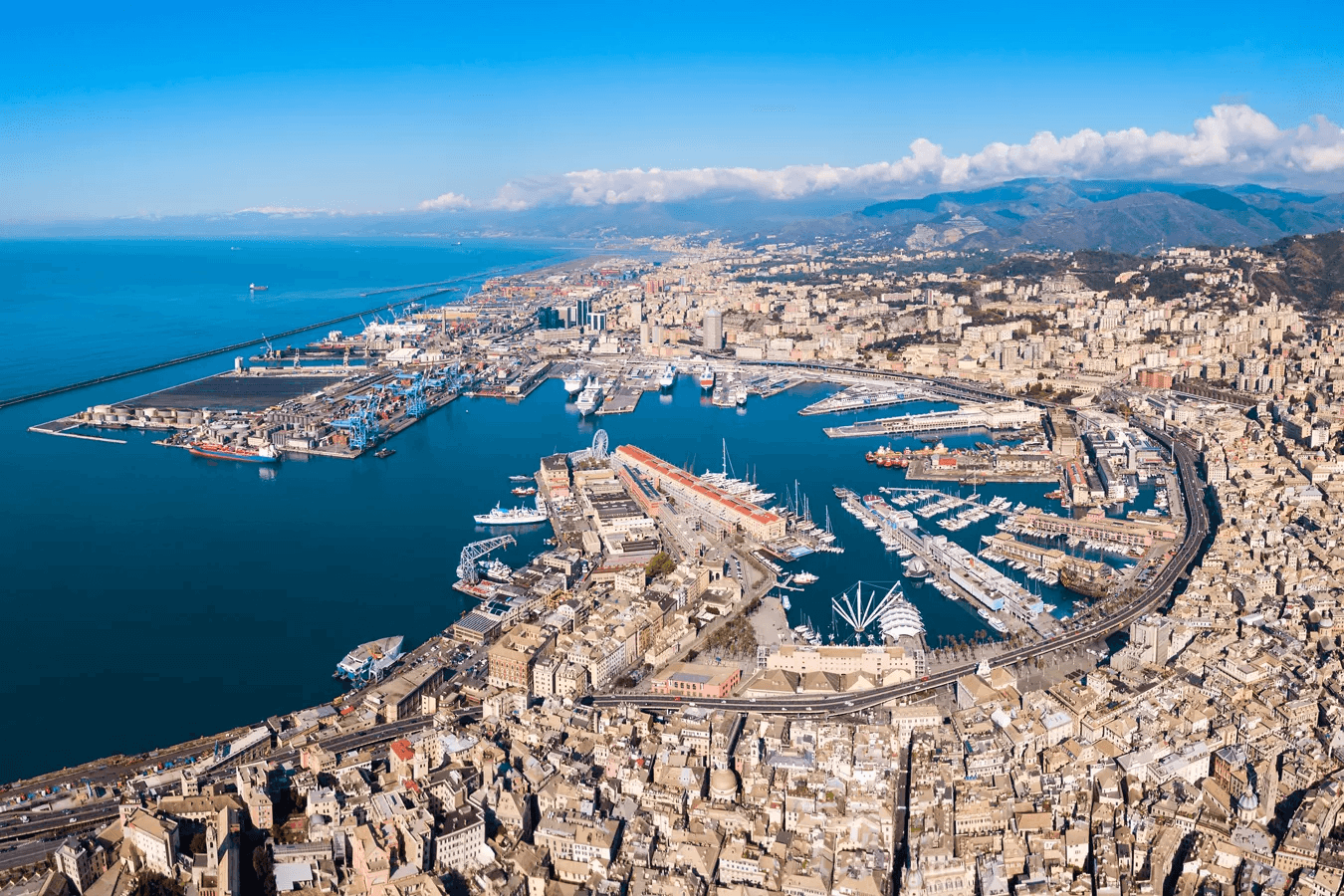
Genoa (Genova), the capital of the Liguria region, is Italy's largest sea port and a city of dramatic contrasts. Squeezed between the Apennine mountains and the Mediterranean Sea, its vertical topography creates a unique urban environment defined by elevators, funiculars, and narrow alleyways (caruggi). For foreigners, Genoa offers a raw, authentic Italian experience with significantly lower living costs than Milan or Rome, though it presents unique logistical challenges due to its layout.
Districts and Housing Market
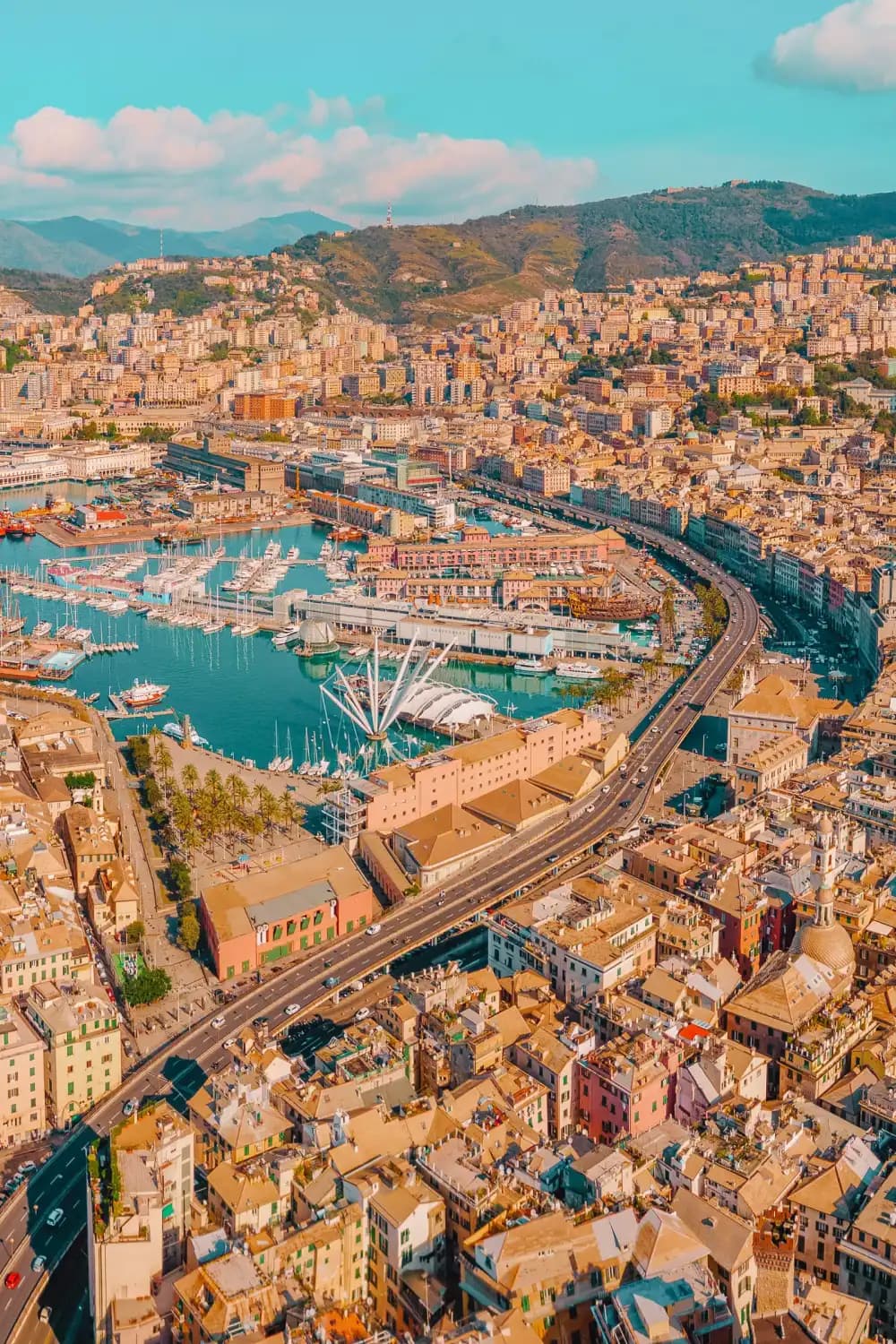
Genoa is a linear city stretching over 30 kilometers along the coast. Its neighborhoods differ vastly in altitude and atmosphere. The "lower" city is bustling and sometimes chaotic, while the "upper" hilly districts offer quiet and views. Rents are among the most affordable in Northern Italy.
Key Neighborhoods for Expats
- Centro Storico (Old Town): One of the largest medieval centers in Europe. It is a labyrinth of narrow streets filled with bars, shops, and life. While vibrant and centrally located, some areas can be dark (due to narrow streets) and noisy. Rents vary wildly based on renovation status.
- Castelletto: A prestigious residential district located on the hills immediately above the center. Accessible by public elevators and funiculars, it offers panoramic views, cleaner air, and elegant apartments.
- Albaro: To the east of the center, this is the city's most exclusive district. Characterized by wide boulevards, villas, and proximity to the seaside promenade (Corso Italia), it is popular with families and professionals.
- Carignano: A quiet, elegant hilltop district just south of the center. It hosts many consulates and hospitals and is known for its grand architecture and central convenience without the chaos.
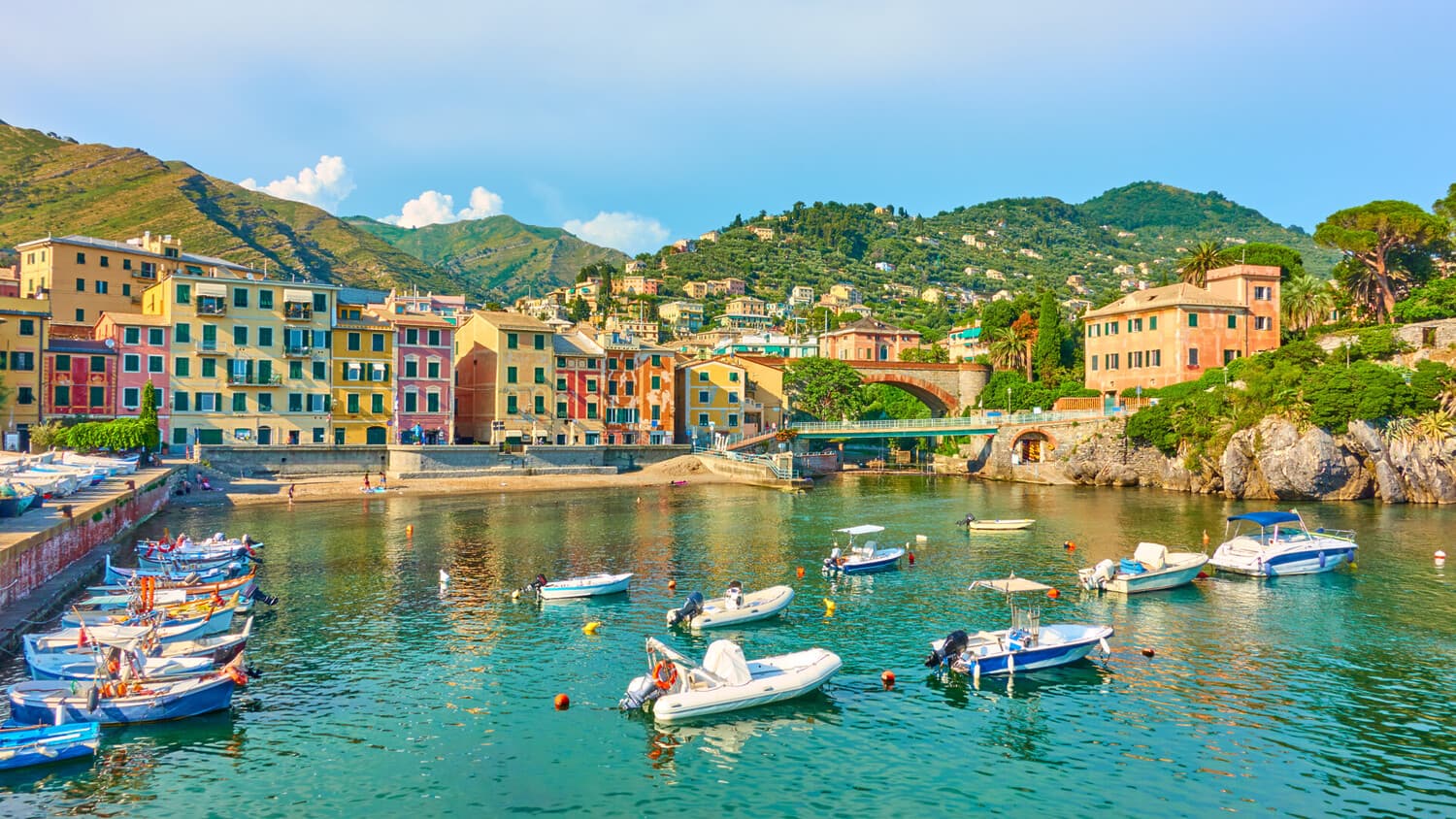
- Nervi & Quinto: Located at the far eastern edge of the city. These are seaside suburbs with a resort-like atmosphere, parks, and rocky beaches. The commute to the center takes about 20–30 minutes by train.
Rental Costs (January 2026 Estimates)
Prices below generally exclude utilities and condominium fees (spese condominiali), which can be significant in older buildings due to heating costs.
| Apartment Type | Average Monthly Rent (EUR) | Approx. USD (Jan 2026) |
|---|---|---|
| Studio (Monolocale) | €450 – €600 | ~$485 – $650 USD |
| 1-Bedroom (Bilocale) | €550 – €750 | ~$595 – $810 USD |
| 2-Bedroom (Trilocale) | €750 – €1,100 | ~$810 – $1,190 USD |
Currency conversion rate used: 1 EUR ≈ 1.08 USD.
Public Transport (AMT)
Public transport in Genoa is managed by AMT and is an attraction in itself. Due to the vertical nature of the city, the ticket covers not just buses and the metro, but also funiculars and public elevators.
The Vertical Network
- Metro: A single line connecting the northwest (Brin) to the city center (De Ferrari) and the Brignole train station.
- Funiculars: Crucial for residents in hilly districts like Castelletto (Funicolare Zecca-Righi, Sant'Anna).
- Public Elevators: Several large elevators (e.g., Ascensore Castelletto Levante) connect the lower city to the upper residential areas.
- Navebus: A public boat service connecting the Old Port (Porto Antico) to the western district of Pegli.
Tickets and Fares (2026)
AMT tickets are time-based and valid across all modes (excluding the Navebus which often has a supplement or specific fare rules). Be aware that regional trains (Trenitalia) within city limits require an integrated ticket.
| Ticket Type | Price (EUR) | Approx. USD | Validity |
|---|---|---|---|
| Single Ticket (AMT) | €2.00 | ~$2.15 USD | 110 minutes on AMT network. |
| Integrated Ticket (AMT+Train) | €2.20 | ~$2.38 USD | 110 minutes (includes urban trains). |
| 24h Pass (MetDaily) | €10.00 | ~$10.80 USD | 24 hours unlimited (AMT+Train). |
| Monthly Pass (CityPass) | €46.00 | ~$49.70 USD | Calendar month (requires ID card). |
Administrative Procedures
Bureaucracy in Genoa is centered around two main locations. As in other Italian cities, appointments are mandatory and delays are common.
Immigration Office (Questura)
Non-EU citizens applying for their residence permit (Permesso di Soggiorno) must attend appointments at the specialized Immigration Office, not the main police headquarters.
- Address: Via Gabriele D'Annunzio, 80.
- Access: Located near the Dante/De Ferrari area.
- Procedure: After submitting the "Kit Giallo" at the Post Office, you will receive a receipt with an appointment date for fingerprinting. Note that wait times can be several months.
Residency Registration (Anagrafe)
Registering your residence is required to obtain an ID card and access the National Health Service (SSN). The central office for these procedures handles foreign registrations.
- Main Office: Corso Torino, 11 (Ufficio Anagrafe Centrale).
- Online Option: The Municipality of Genoa (Comune di Genova) allows applications to be submitted via certified email (PEC) to anagrafecomge@postecert.it, which can save significant time compared to queuing in person.
Traffic and ZTL Zones
Driving in Genoa is challenging due to narrow one-way streets and scarce parking. The historic center is strictly protected by a ZTL (Zona a Traffico Limitato).
- ZTL Centro Storico: Active 24 hours a day, 7 days a week. Only authorized residents and logistics vehicles can enter. Cameras are positioned at all entry points (e.g., Piazza Dante, Via Cairoli).
- ZTL Nervi: A specific zone in the seaside district of Nervi to protect the residential area near the parks.
- Low Emission Zone (Limitazioni Antismog): A larger environmental zone (Area 1 - Centro) restricts older vehicles (e.g., Diesel Euro 4/5) from circulating on weekdays from 7:00 AM to 7:00 PM.
- Parking: Look for "Blu Area" zones. Residents can apply for a yearly pass (bollino) to park in their specific zone for a reduced fee (approx. €25/year for the first car).