
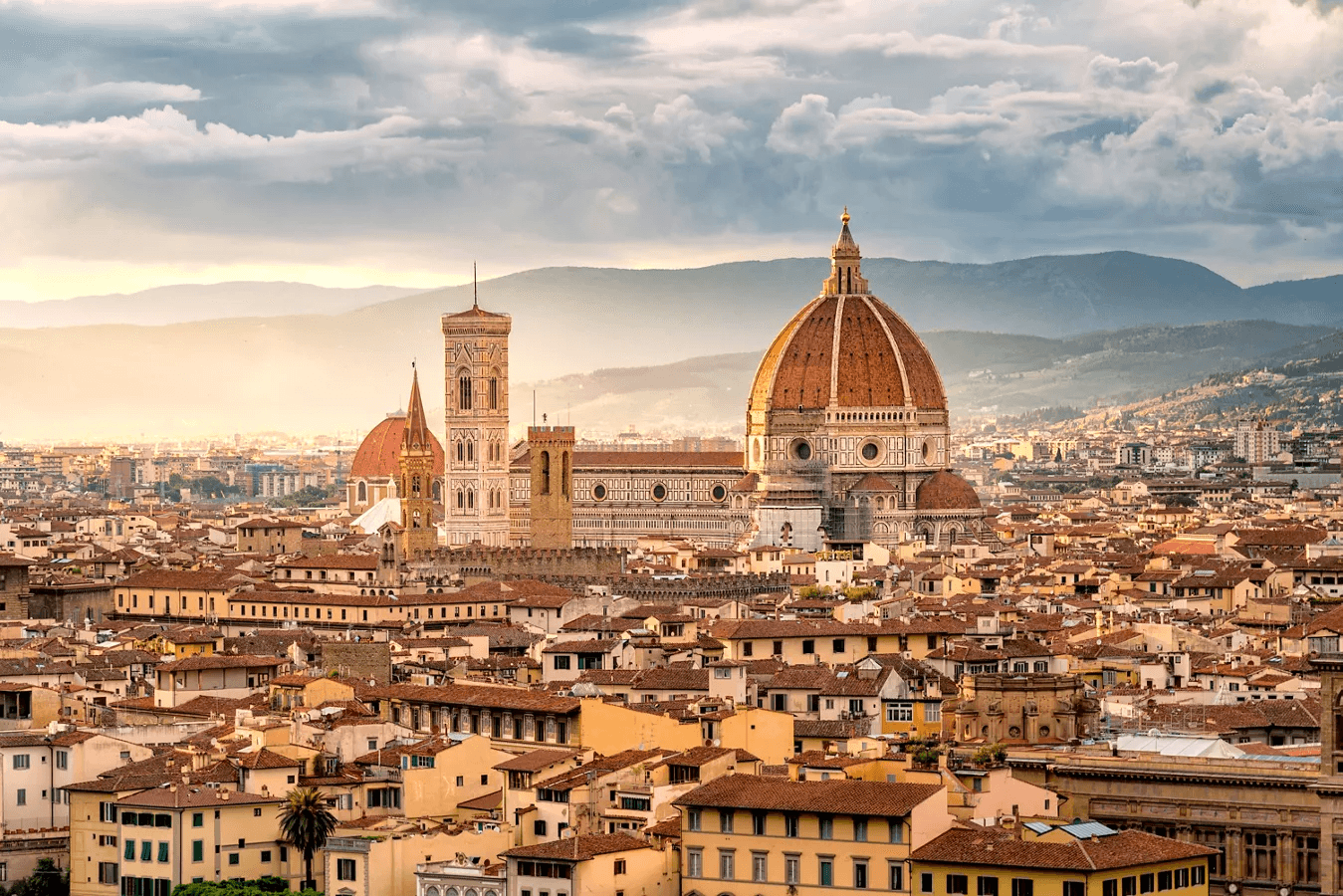
Introduction to Florence
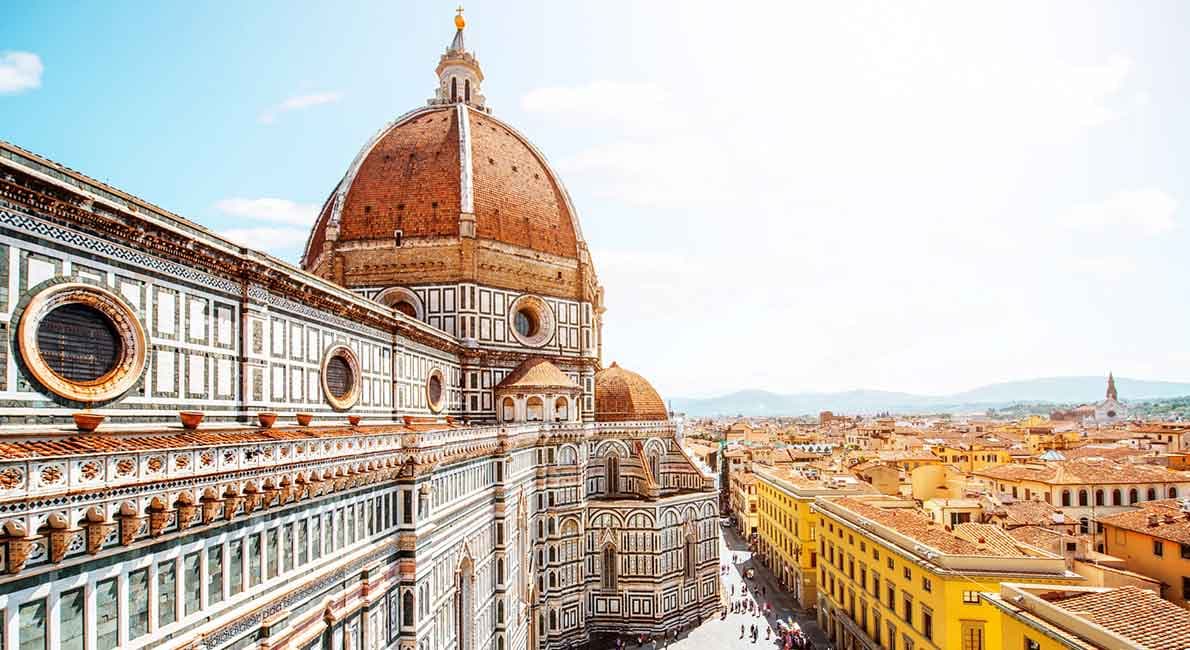
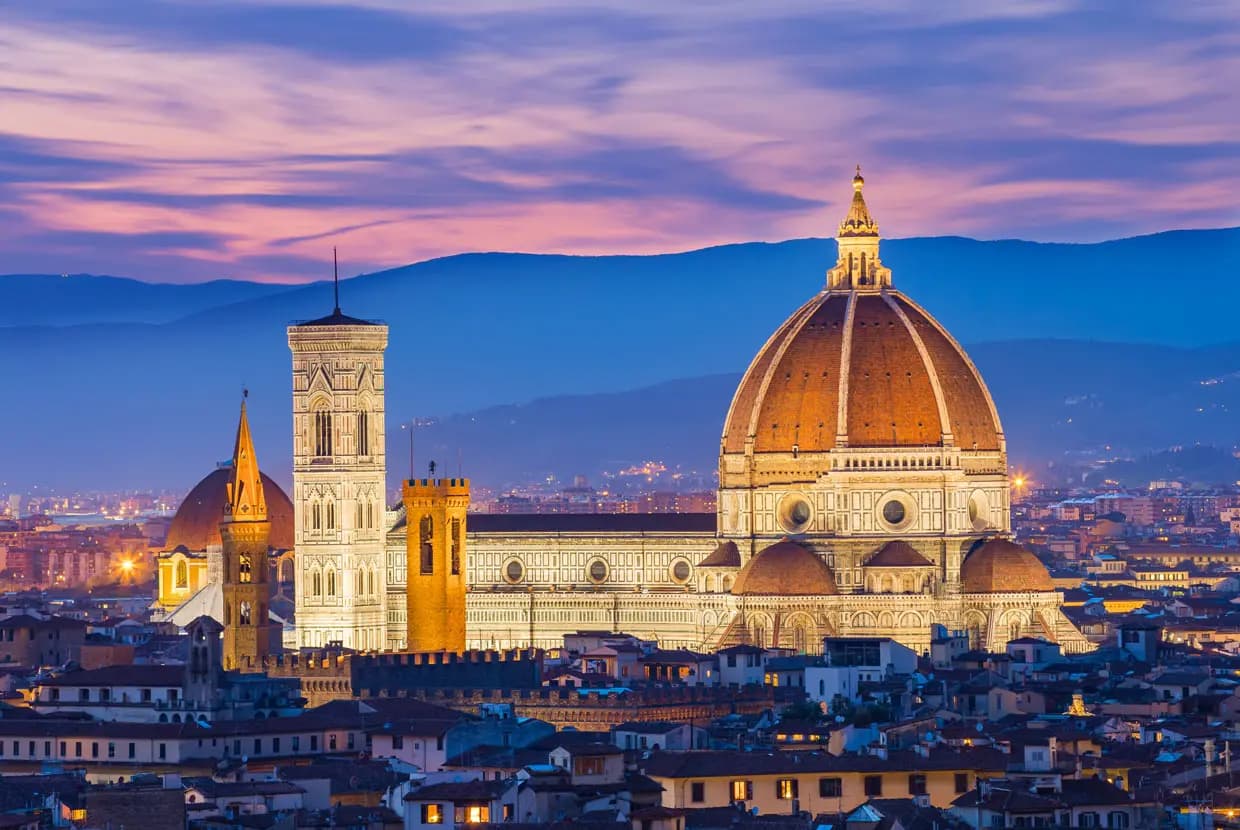
Florence (Firenze) is the capital city of the Tuscany region and one of Italy's most culturally and historically significant urban centers. While renowned as the "Cradle of the Renaissance" and a major global tourist destination, it is also a functional modern city with a distinct administrative and economic profile for residents.
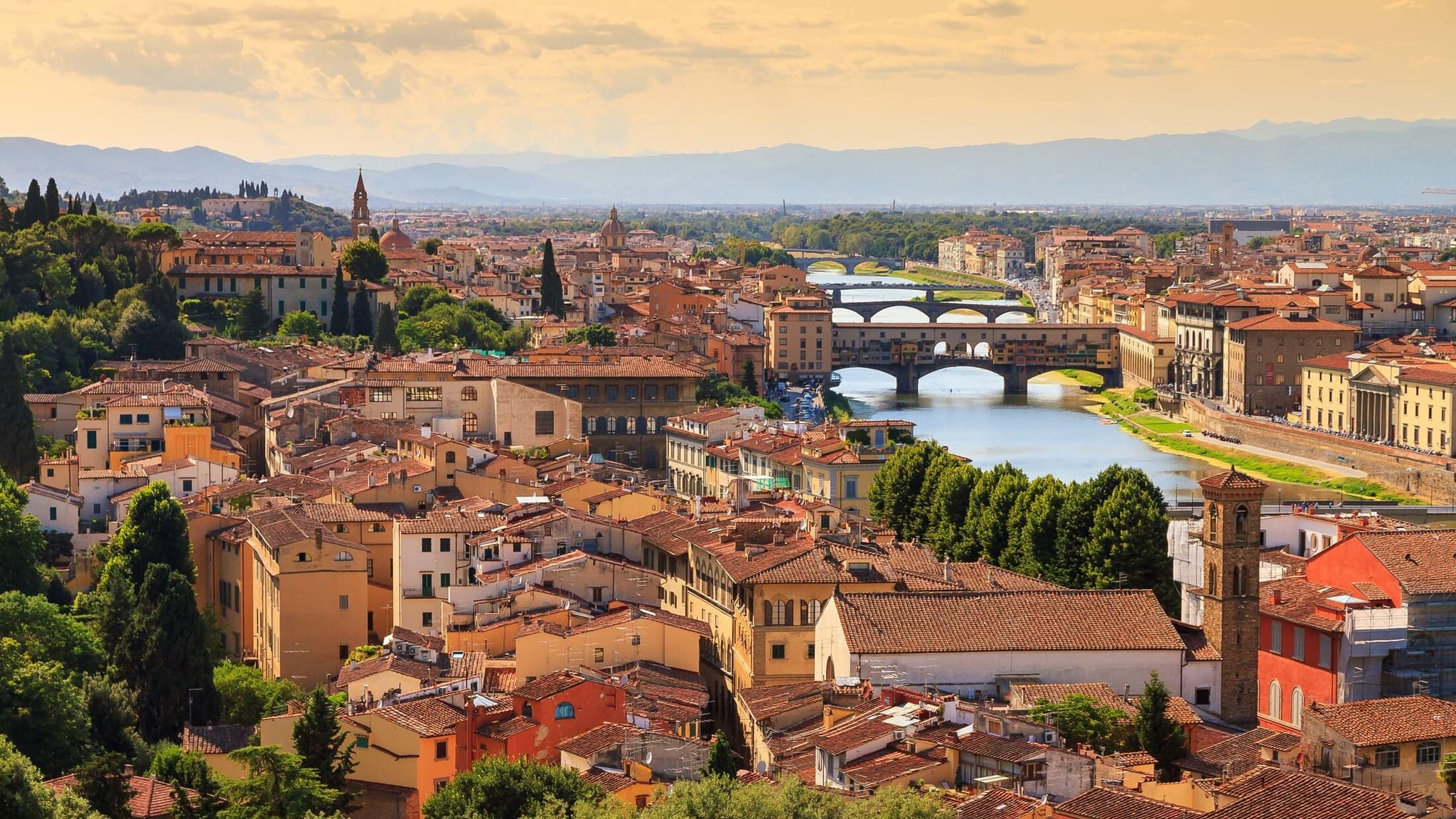
Living in Florence requires navigating a city that balances heavy tourism traffic with local residential needs. The city is compact, walkable, and surrounded by hills, with the Arno River dividing the historic center from the "Oltrarno" (the other side of the Arno). For expatriates, it offers a high quality of life, though with a higher cost of living compared to many other Italian cities.
Administrative Registration and Residency
All foreign nationals intending to live in Florence for more than three months must register their presence with the local authorities. The primary administrative body is the Anagrafe (Registry Office) of the Municipality of Florence (Comune di Firenze).
EU/EEA Citizens
Citizens of the European Union do not need a visa to reside in Florence. However, for stays exceeding three months, they are legally required to register with the Anagrafe to obtain official residency (Iscrizione Anagrafica).
Required Documentation typically includes:
- Valid passport or national ID card.
- Proof of employment, university enrollment, or evidence of sufficient financial resources to support oneself without relying on social welfare.
- Proof of valid health insurance (or registration with the Italian National Health Service).
- Rental contract or proof of accommodation.
Non-EU Citizens
For citizens from outside the EU/EEA, the process involves two distinct stages: immigration and residency.
- Permesso di Soggiorno (Residence Permit): Upon arrival in Italy with a valid long-stay visa (Type D), non-EU citizens must apply for a Residence Permit within 8 working days. This is usually done by picking up a "Kit" at a post office (Sportello Amico) and attending an appointment at the Questura (Police Headquarters).
- Residency Registration: Once the Residence Permit (or the receipt proving the application has been submitted) is obtained, the individual must register at the Anagrafe of the Comune di Firenze to establish official residence.
Information on booking appointments and specific forms can be found on the official municipal portal:
Comune di Firenze - Residency Registration Services
Housing and Accommodation
The rental market in Florence is competitive and expensive due to the combination of short-term tourist rentals (Airbnb style) and a large international student population. Prices vary significantly by zone.
Neighborhoods and Districts
- Centro Storico (Historic Center): The area inside the ring road (viali). It is the most expensive and crowded area. Rent here is high, and buildings are often historic, meaning they may lack elevators or modern insulation. Noise levels can be high due to tourism and nightlife.
- Oltrarno (Santo Spirito / San Frediano): Located south of the river. Traditionally an artisan quarter, it is now highly gentrified and fashionable, with prices often matching or exceeding the center.
- Campo di Marte: A residential area to the northeast of the center. It is popular with families and professionals, offering more green spaces and proximity to the stadium, with good rail connections (Firenze Campo di Marte station).
- Novoli & Rifredi: Located in the northwest. These are practical, modern residential districts. They are significantly cheaper than the center and are home to the university campus (University of Florence) and the hospital/careggi area. They are well-connected by the Tramvia (tram line).
Rental Costs
As of early 2026, rental prices in Florence are among the highest in Italy.
- Private Studio/One-bedroom in Center: €900–€1,400 ($945–$1,470 USD, Jan 2026) per month.
- Room in Shared Apartment: €450–€750 ($470–$785 USD, Jan 2026) per month.
- Two-bedroom Apartment outside Center: €1,000–€1,600 ($1,050–$1,680 USD, Jan 2026) per month.
Tenants should expect to pay a security deposit (usually 2-3 months' rent) and an agency fee if finding the apartment through a realtor (typically 1 month's rent + VAT or 10% of annual rent).
Transportation
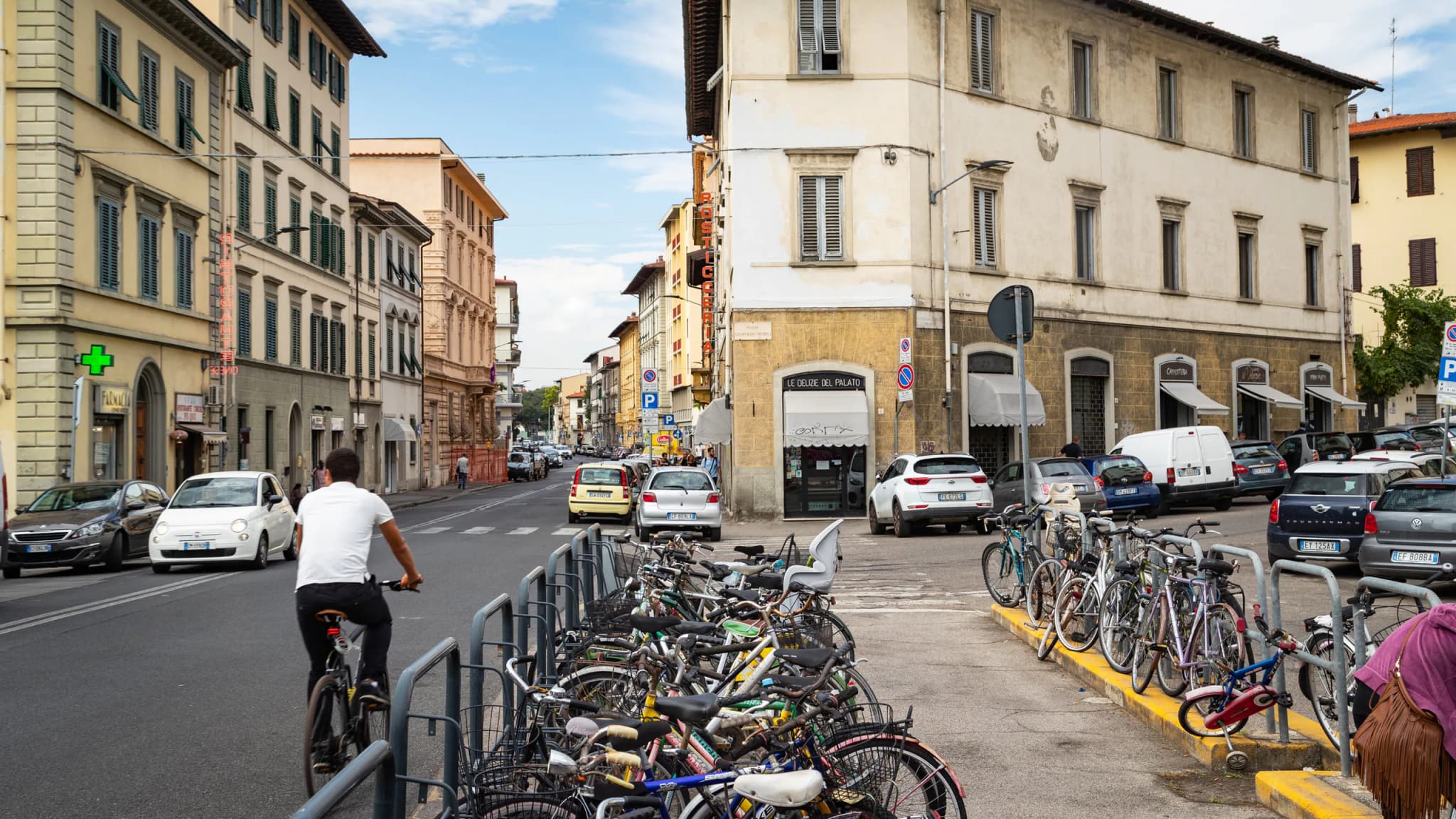
Florence has a restricted traffic policy that makes car ownership difficult for residents in the center, but public transport options are efficient.
Public Transport (Bus and Tram)
The public transport network is managed by Autolinee Toscane. The system relies heavily on the Tramvia (Tramway), which connects the city center (Santa Maria Novella) with the airport (Peretola), the hospital (Careggi), and the Scandicci district.
- Tickets: A standard urban ticket typically lasts 90 minutes. It costs approximately €1.70 ($1.79 USD, Jan 2026) if bought in advance (digital app or tabaccheria). Prices are higher if purchased on board.
- Passes: Monthly and annual subscriptions are available and are highly recommended for residents. Rates are generally lower for students and residents with lower incomes (ISEE certification required).
For maps and timetables, refer to the official transport operator:
Autolinee Toscane - Official Website
ZTL (Limited Traffic Zone)
The entire historic center of Florence is a ZTL (Zona a Traffico Limitato). Access is restricted to residents with a specific permit. Cameras monitor all entrances (Varco attivo), and unauthorized entry results in heavy fines.
- Red Light: Do not enter (ZTL Active).
- Green Light: Free access (ZTL Inactive).
Foreigners renting cars should be extremely cautious; navigation apps often do not account for ZTL rules effectively.
Trains and Airports
- Firenze Santa Maria Novella (SMN): The main train station, located in the city center. It is a major hub for high-speed trains (Frecciarossa/Italo) connecting to Rome (1.5 hours), Milan (1 hr 40 min), and Venice (2 hours).
- Florence Airport (FLR - Peretola): A small city airport located about 4km from the center, connected directly by the T2 Tram line. It serves mostly European destinations. For intercontinental flights, residents often use Bologna or Milan airports.
Healthcare
Healthcare in Florence is managed by the Azienda USL Toscana Centro. Access to the public system (Servizio Sanitario Nazionale - SSN) depends on residency and visa status.
Registration Procedures
Once an individual has obtained their Residence Permit and registered with the Anagrafe, they are generally eligible to register with the SSN.
- Mandatory Free Registration: Typically applies to employees, self-employed workers paying taxes in Italy, and their dependent family members.
- Voluntary Registration: Students, au pairs, and religious personnel may often register voluntarily by paying an annual fee. Note: The cost for voluntary registration has increased significantly in recent years. It is a fixed annual fee typically paid via postal bulletin (Bollettino Postale).
Upon registration, you will be assigned a General Practitioner (Medico di Famiglia) and issued a health card (Tessera Sanitaria). This card is required for doctor visits, hospital services, and purchasing subsidized medication.
USL Toscana Centro - Official Website
Economy and Work
Florence's economy is distinct from the industrial hubs of Milan or Turin.
- Tourism and Hospitality: This is the dominant sector. While there are many jobs, they are often seasonal or lower-paid.
- Fashion and Luxury Goods: Florence and its surrounding areas (Scandicci) are global headquarters for major luxury brands (e.g., Gucci, Ferragamo). This sector offers corporate and artisan employment.
- Education: With numerous American universities and international schools maintaining campuses in Florence, there are opportunities for academic and administrative staff in international education.
Proficiency in Italian is essential for most local employment, although the tourism and international education sectors may offer English-speaking roles.