
Introduction to Bologna
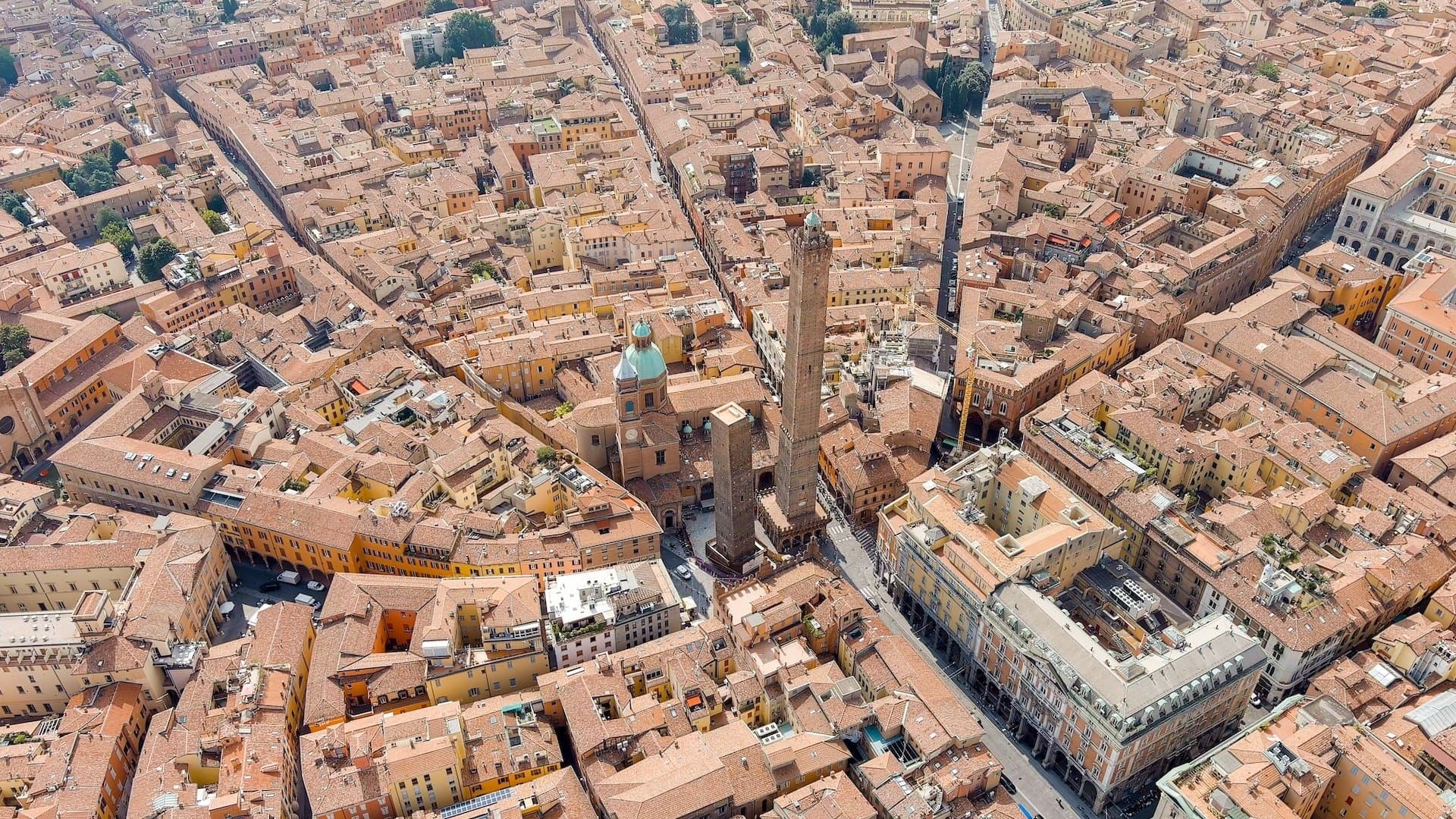
Bologna is the capital city of the Emilia-Romagna region in Northern Italy. It is strategically located as a major transportation hub connecting northern and southern Italy. The city is recognized for its historical significance, being home to the oldest university in the Western world, the University of Bologna (Alma Mater Studiorum).
The city is characterized by its extensive network of porticoes (arched walkways), its well-preserved medieval center, and a strong culinary tradition. For foreigners considering a move, Bologna offers an urban environment with a large student population and significant industrial sectors.
Administrative Registration and Residency
Registering your presence is a fundamental step when moving to Bologna. The procedures differ significantly depending on citizenship status. The primary authority for civic registration is the Anagrafe (Registry Office) of the Municipality of Bologna.
EU/EEA Citizens
Citizens of the European Union or European Economic Area who plan to stay in Italy for more than three months must register with the Anagrafe to obtain residency (*iscrizione anagrafica*). Typically, applicants must provide proof of sufficient financial resources to support themselves without relying on social assistance, and proof of comprehensive health insurance coverage.
Non-EU Citizens
For citizens from outside the EU/EEA, legal presence in Italy is governed by visa and immigration laws. Before establishing residency in Bologna, non-EU citizens generally require a valid visa to enter the country and must subsequently obtain a Permesso di Soggiorno (Residence Permit).
The requirements to obtain a Residence Permit depend entirely on the individual's reason for stay (e.g., work, study, family reunification) and nationality. Once a valid Residence Permit is held, the individual must register for residency at the local Anagrafe.
- Information regarding specific visa types and permit requirements must be verified through official Italian diplomatic representations (embassies or consulates) in the applicant's home country or the Italian Ministry of Interior.
For official local registration procedures, refer to the Municipality of Bologna website: Municipality of Bologna - Official Website
Housing and Accommodation
The rental market in Bologna is influenced heavily by its large university population. Demand for accommodation is generally high, particularly for smaller apartments and shared rooms suitable for students or young professionals. Competition for rentals often increases significantly in the months leading up to the start of the academic year (September/October).
Neighborhoods and Zones
Bologna is divided into several districts (*quartieri*). The choice of location often balances proximity to the center with rental costs.
- Centro Storico (Historic Center): Located within the ancient city walls. This area offers immediate access to university buildings, cultural sites, and nightlife. Rents in the center are typically higher, and noise levels can be elevated.
- Areas Outside the Walls: Residential neighborhoods surrounding the center, such as Bolognina (near the station), Murri, and Saragozza, are popular choices. These areas are connected by public transport and often offer more spacious living environments.
Rental Contracts and Costs
Standard long-term rental contracts in Italy are often "4+4" years. Shorter contracts for students or temporary workers ("transitory contracts") also exist. It is standard practice to require a security deposit (*deposito cauzionale*), usually equivalent to one to three months of rent.
Tenants are typically responsible for utilities (*utenze*—gas, electricity, water, internet) and building community fees (*spese condominiali*), which may include heating depending on the building system.
Transportation
Bologna has a comprehensive public transportation system and is a major node in Italy's national rail network.
Local Public Transport
The local bus network is managed by TPER (Trasporto Passeggeri Emilia-Romagna). Buses connect the city center with outer districts and surrounding towns.
Tickets must be purchased before boarding or via mobile apps and must be validated upon entering the vehicle. Various pass options (*abbonamenti*) are available for monthly or annual use, with discounts often available for students and residents under certain ages.
A standard single bus ticket costs approximately €1.50 ($1.60 USD as of January 2026) when purchased in advance, and is valid for a set duration across different lines.
Cycling
Due to its relatively flat terrain and compact city center, bicycles are a very common mode of transport in Bologna. The city has a network of cycle lanes, and many residents use personal bikes for daily commutes.
Train and Air Travel
Bologna Centrale railway station: One of the busiest in Italy. It sits at the intersection of major high-speed lines connecting Milan to Rome and Venice to Florence.
Guglielmo Marconi Airport (BLQ): Located just outside the city. It is connected to the central train station by the "Marconi Express," an automated monorail system that takes approximately 7 minutes.
Healthcare
The Italian healthcare system, known as the Servizio Sanitario Nazionale (SSN), is organized on a regional level. In Bologna, it is managed by the local health authority, AUSL Bologna.
Accessing Healthcare
Registration with the SSN is mandatory for most residents employed or studying in Italy. Upon registration, individuals are assigned a General Practitioner (*medico di base* or *medico di famiglia*), who is the primary point of contact for non-emergency medical issues and referrals to specialists.
- EU Citizens: For temporary stays, the European Health Insurance Card (EHIC) provides access to necessary state-provided healthcare. For long-term residency, registration with the SSN is usually required, often necessitating proof of employment or existing health coverage form (e.g., S1 form).
- Non-EU Citizens: Eligibility for mandatory or voluntary registration with the SSN depends on the specific type of Residence Permit held. Some permit holders may be required to purchase private health insurance before they are eligible for the public system.
Emergency medical assistance is available to everyone in Italy, regardless of insurance status, by dialing 112.
Economy and Employment Context
Bologna has a strong industrial base and a high employment rate relative to national averages. Key economic sectors include:
- Manufacturing and Engineering: The region is known as "Packaging Valley" due to a high concentration of companies specializing in automated packaging machinery. The automotive sector is also prominent in the wider "Motor Valley" region.
- Agro-food: Emilia-Romagna is a major center for food production and processing.
- Education and Research: The University of Bologna is a significant employer and drives a research-oriented economy.
While international companies operate in the area, proficiency in the Italian language is frequently a requirement for many local job opportunities. English-speaking roles exist but are generally less common outside of specific international business or academic spheres.