
Daily Life in Italy: Groceries, Post, and Recycling
Adjusting to daily life in Italy requires a foundational understanding of local administrative and logistical systems. From the specific etiquette of supermarket shopping to the critical importance of registered mail and the highly localized rules of waste management, this guide outlines the essential practices for residents. As of January 13, 2026, many of these systems have been further digitized, yet they retain traditional procedural requirements.
Groceries and Supermarkets
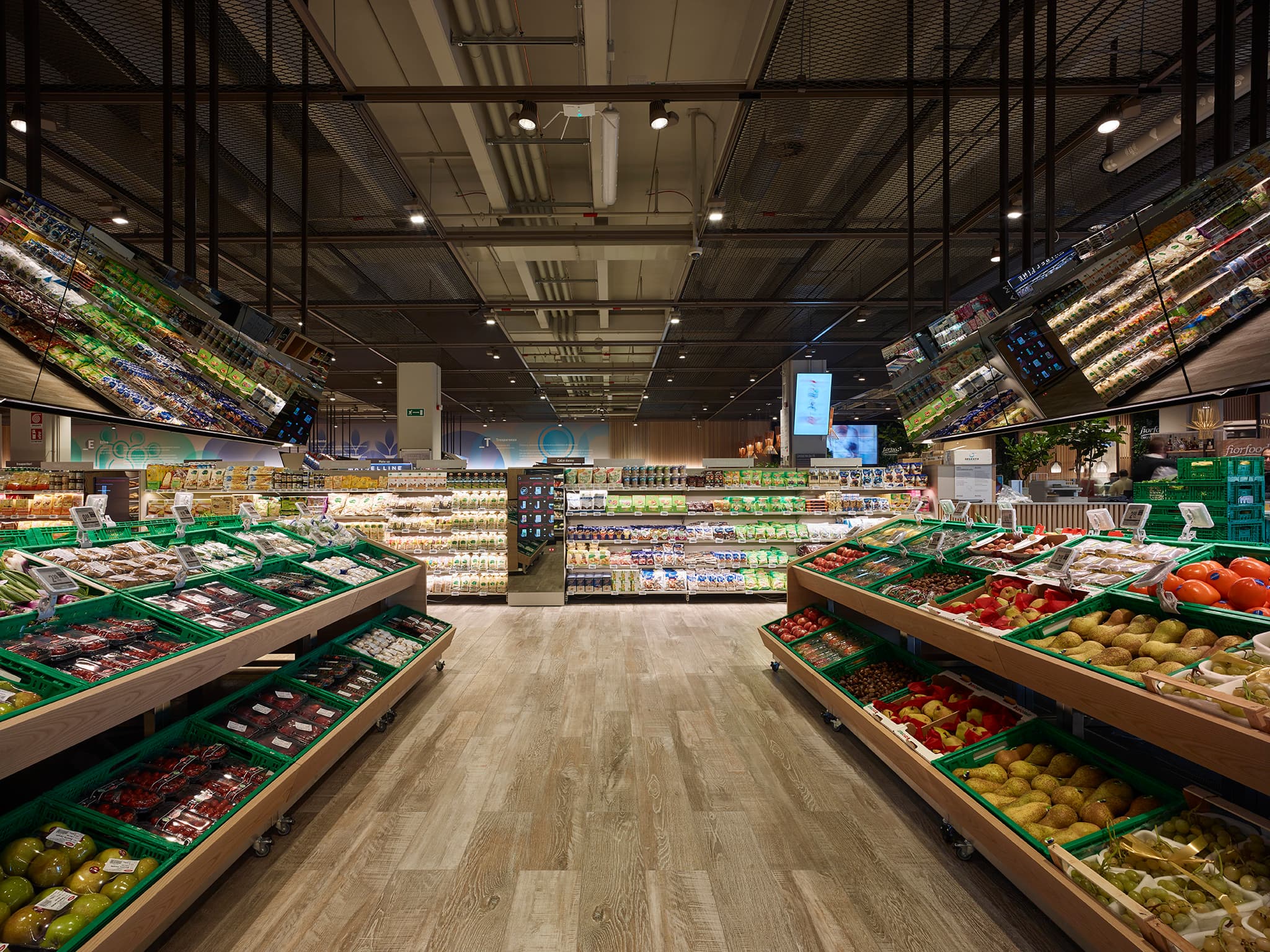
The Italian grocery landscape is a mix of large supermarket chains (supermercati), discount stores, and traditional open-air markets. Shopping habits in Italy often prioritize fresh, seasonal produce, with many residents visiting local markets for fruits, vegetables, and meats.
Supermarket Etiquette and Operations
Foreigners should be aware of several standard supermarket practices in Italy:
- Produce Weighing: In most supermarkets, you must weigh your own fruits and vegetables in the produce section. You place the items in a plastic bag, put them on a scale, and press the corresponding code to print a price sticker.
- Shopping Bags: Plastic bags are not free and are typically biodegradable or compostable. Residents are encouraged to bring their own reusable bags.
- Carts: Most shopping carts require a €0.50, €1.00, or €2.00 coin to be released from the bay, which is returned when the cart is replaced.
Average Grocery Costs (January 2026)
Estimated prices for common items as of January 13, 2026. Currency conversion is calculated at approximately €1.00 = $1.08 USD.
| Item | Price (EUR) | Approx. USD (Jan 2026) |
|---|---|---|
| Milk (1 Liter) | €1.50 | ~$1.62 USD |
| Fresh Bread (Loaf) | €1.80 | ~$1.94 USD |
| Eggs (12 Pack) | €3.50 | ~$3.78 USD |
| Chicken Fillet (1kg) | €12.00 | ~$12.96 USD |
| Pasta (500g) | €1.10 | ~$1.19 USD |
Post and Shipping Services
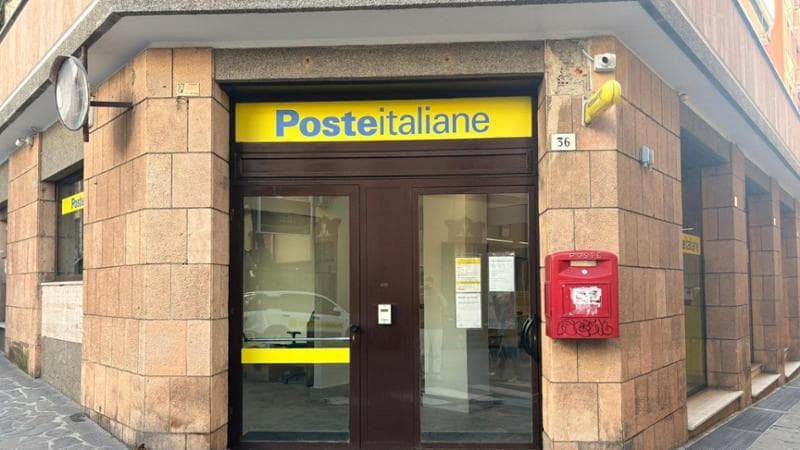
Poste Italiane is the primary provider of postal services in Italy. Beyond traditional mail, it serves as a bank (BancoPosta) and a critical administrative hub where residents pay utility bills and apply for residence permits.
Registered Mail (Raccomandata)
In Italy, the Raccomandata (registered letter) is the legally recognized method for sending official documents, terminating contracts (like leases or utilities), or responding to legal notices. A Raccomandata con Ricevuta di Ritorno (A/R) provides the sender with a signed card confirming the date and time of delivery.
Standard Postal Rates (January 2026)
- Domestic Letter (up to 20g): €1.30 (~$1.40 USD).
- International Letter (Europe): €1.50 (~$1.62 USD).
- Registered Mail (Domestic A/R): Starting from €6.50 (~$7.02 USD).
The Sportello Amico
Foreigners will most frequently visit the Sportello Amico desk within post offices. This specialized counter handles the submission of "kits" for the Permesso di Soggiorno (Residence Permit). Not all post offices have this desk; residents should check the official website to find the nearest authorized branch.
Waste and Recycling Rules
Waste management in Italy is managed at the municipal level, meaning the rules for sorting and the collection schedule can vary significantly between neighboring towns. Most cities use a Porta a Porta (door-to-door) collection system or large communal street bins (cassonetti).
Standard Sorting Categories
While colors may vary, the general categories for raccolta differenziata (separate collection) are:
- Organico / Umido (Brown): Food scraps, coffee grounds, and biodegradable waste. Must be disposed of in compostable bags.
- Carta e Cartone (Blue or White): Clean paper, cardboard, and newspapers. No greasy pizza boxes or thermal receipts.
- Plastica e Metallo (Yellow): Plastic bottles, containers, aluminum cans, and tins. Generally must be rinsed.
- Vetro (Green): Glass bottles and jars. No ceramics, mirrors, or crystal.
- Indifferenziato / Secco (Grey/Black): Non-recyclable waste such as diapers, cigarette butts, and broken ceramics.
The TARI (Waste Tax)
All residents are required to pay TARI (Tassa sui Rifiuti). This tax is calculated based on the square footage of the property and the number of occupants. Upon moving into a new home, residents must register with the municipal waste office (e.g., AMA in Rome, A2A in Milan) to receive the tax bill and, in many cases, the specific bins or bags for their household.
Bulk and Hazardous Waste
It is illegal to leave bulky items (furniture, appliances) on the street. Residents must book a free "bulky waste" pickup (ritiro ingombranti) or take items to a local Isola Ecologica (Recycling Center). Hazardous materials like batteries, medicines, and cooking oil have specific disposal points, often found near pharmacies or supermarkets.
Limitations and Exceptions
Service availability and rules may differ based on the following:
- Municipality: Some towns may combine plastic and metal, while others separate them. Always check the "Calendario Raccolta" provided by your local Comune.
- Property Type: Large apartment complexes (condomini) often have private waste areas, whereas stand-alone houses must place bins on the street during specific hours.