
Introduction: A Pivotal Trade Agreement on the Horizon
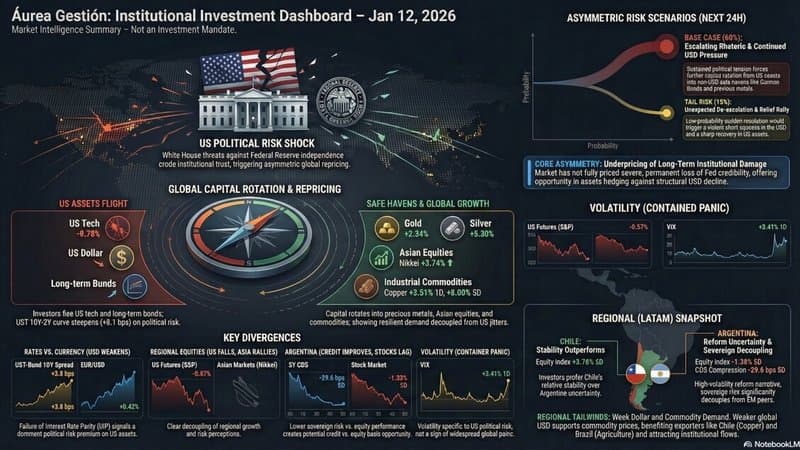
The potential approval of the EU-Mercosur trade agreement is emerging as a structural catalyst for Latin America, though its full impact has yet to be fully priced in by markets. According to Ailin do Pazo Glave, CEO of Argentina's Aurea Gestion, this deal could significantly influence regional economies, as highlighted in a recent report ahead of its signing. The analysis also touches on broader trends, such as investor shifts toward safe-haven assets like gold amid institutional clashes in the U.S. between the Trump administration and the Federal Reserve.
Impact on Foreigners: Opportunities in Emerging Markets
For foreigners, particularly investors and expatriates, this development opens up new avenues in Latin America. The region is experiencing a rotation of capital flows from developed economies to emerging markets, driven by the search for yield and the resilience of commodities. This shift benefits countries like Brazil and Chile, which are attracting foreign capital due to their growth prospects and roles as commodity exporters. Foreigners looking to diversify their portfolios or explore business opportunities in sectors like agriculture and mining may find this trend advantageous.
Key Details: Commodities, Currencies, and Country-Specific Insights
The report highlights several critical factors that foreigners should monitor:
- Commodity Demand: Demand for raw materials, especially copper and agricultural products, remains a key driver for Chile and Brazil, respectively. This could lead to increased investment in these sectors.
- Currency Trends: The weakness of the U.S. dollar index is providing a tailwind for commodities and, consequently, for the currencies of Latin American countries. This may affect exchange rates and investment returns for foreigners.
- Capital Flows: There is a noticeable rotation of capital from developed to emerging markets, with Latin America benefiting significantly. Brazil and Chile are particularly attractive due to their export-oriented economies.
Conclusion: Navigating the Latin American Investment Landscape
In summary, the EU-Mercosur agreement represents a significant opportunity for foreigners to engage with Latin America's evolving economy. By focusing on commodity-driven growth, currency advantages, and strategic capital flows, investors can position themselves to benefit from this regional catalyst. Staying informed about market trends and country-specific developments will be key to making informed decisions in this dynamic environment.